Understanding the Nose Job Procedure
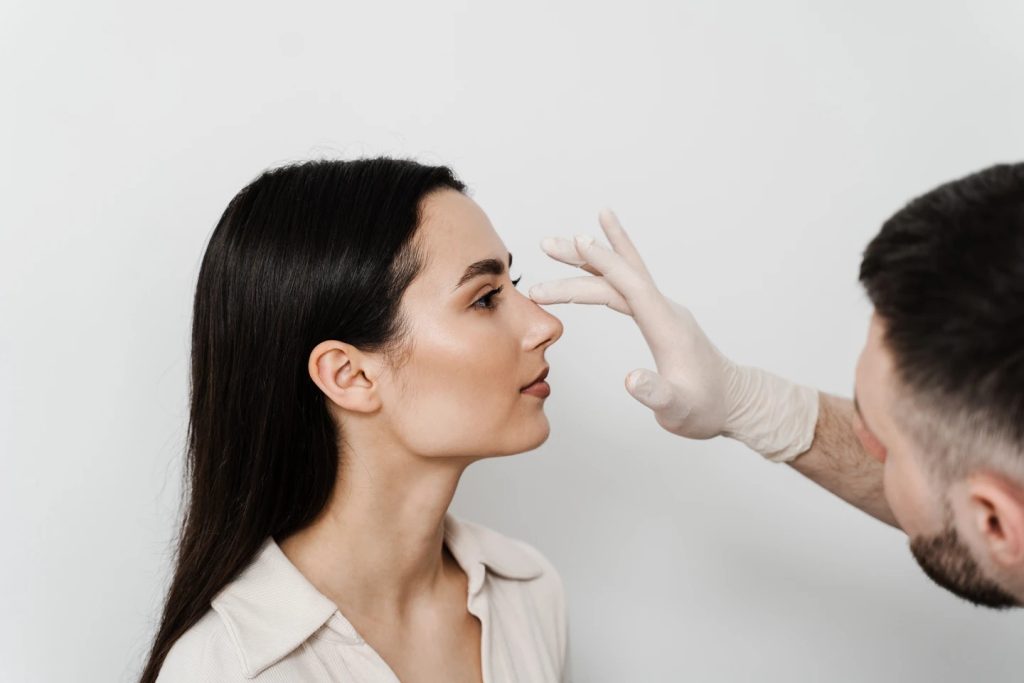
Before deciding whether rhinoplasty is right for you, it helps to understand what the surgery actually involves. A nose job procedure reshapes the nose by modifying the bone, cartilage, or both. Surgeons can reduce or increase the size, refine the tip, smooth a bump, correct asymmetry, or address breathing problems caused by structural issues such as a deviated septum.
There are two main approaches:
Open rhinoplasty, where a small incision is made across the tissue between the nostrils
Closed rhinoplasty, where all incisions are hidden inside the nose.
Rhinoplasty is considered one of the most technically demanding cosmetic surgeries performed today. That complexity is exactly why candidacy matters: the more prepared and informed you are going in, the better your outcome is likely to be.
Who Makes a Good Candidate?
Not everyone who wants a nose job should necessarily get one – at least not right away. Surgeons look at a range of physical and psychological factors before recommending surgery.
On the physical side, ideal candidates are generally:
In good overall health with no uncontrolled medical conditions
Non-smokers, or willing to quit well before and after surgery
At a stable weight
Free from active skin conditions or infections around the nose
On the psychological side, surgeons also consider motivation. People who do well after rhinoplasty tend to be those who want the change for themselves, have thought about it for an extended period of time (not as an impulsive decision), and understand that surgery enhances, not transforms, their appearance.
Realistic Expectations
This is one of the most important factors in determining candidacy, and it’s worth spending real time thinking about. Having realistic expectations means understanding that rhinoplasty can meaningfully improve the appearance and function of your nose, but it cannot give you someone else’s nose or guarantee perfection.
Surgeons often use digital imaging during consultations to give patients a general idea of what results might look like, but it’s important to treat those previews as guides rather than guarantees. Skin thickness, healing patterns, and the unique architecture of each person’s anatomy all influence the final result. Patients who go into surgery expecting a subtle but significant improvement tend to be far more satisfied than those chasing an idealized image.
Facial Growth
One of the clearest requirements for rhinoplasty candidacy involves age, specifically, whether your facial growth is complete. The nose continues to develop through the teenage years, and operating on a nose that hasn’t finished growing can lead to unpredictable long-term results.
Most surgeons recommend waiting until at least age 15 to 16 for girls and 17 to 18 for boys, though some prefer to wait until a patient is in their late teens or early 20s to be certain. If you’re a teenager considering rhinoplasty, an honest conversation with a board-certified surgeon is the best way to determine whether the timing is right.
Preparing for Your Rhinoplasty Consultation
Once you’ve done some personal reflection and feel ready to explore the idea further, booking a rhinoplasty consultation is the logical next step. This appointment is much more than a quick chat – it’s a detailed evaluation where your surgeon will assess your anatomy, discuss your goals, review your medical history, and walk you through what surgery can realistically achieve for you.
To get the most out of your consultation, come prepared. It helps to:
Bring photos of nose shapes you find appealing (and be prepared to discuss why)
Write down any specific concerns you have about your nose’s appearance or function
List all medications, supplements, and vitamins you currently take
Ask about your surgeon’s experience, before-and-after photos, and complication rates
Don’t hesitate to ask questions during this appointment. A good surgeon will welcome them. If something feels rushed or your concerns aren’t being heard, it’s completely appropriate to seek a second opinion before making any decisions.
Going Through the Rhinoplasty Procedure
Once you and your surgeon have agreed on a plan, it’s time to move forward with the actual rhinoplasty procedure. Surgery is typically performed under general anesthesia and takes anywhere from one to three hours, depending on the complexity of the work being done.
In the days leading up to surgery, your surgeon will give you specific instructions, usually including avoiding blood-thinning medications like aspirin and ibuprofen, stopping smoking, and arranging for someone to drive you home and stay with you for the first night. Following pre-operative instructions carefully is one of the simplest ways to support a smooth outcome.
What to Expect During the Recovery Process
Many people are surprised by how involved the recovery process actually is after rhinoplasty. The nose is a delicate structure, and healing takes longer than most people expect.
In the first week, you’ll likely have a splint on your nose and experience swelling, bruising around the eyes, and some congestion.
Most patients feel ready to return to desk work within seven to ten days, though you’ll still look visibly swollen and should avoid social situations where you’d feel self-conscious.
By the end of the first month, the majority of visible bruising is gone, and swelling has reduced significantly. However, the nose is still healing internally. Strenuous activity should be avoided for at least four to six weeks, and contact sports should be off the table for three to six months.
The final result takes time – often a full year or more. The tip of the nose, in particular, can remain slightly swollen for twelve to eighteen months as the tissues gradually settle. Patience during this period is a necessity.
Book Your Rhinoplasty Procedure Today!
Whether you’re dealing with breathing difficulties caused by a deviated nasal septum, unhappy with the shape of your nasal tip, or simply feel that your nose disrupts your overall facial balance, you don’t have to keep living with a concern that affects your confidence and quality of life. People pursue rhinoplasty for a wide range of personal reasons, and no motivation is too small if it genuinely matters to you. Our double-board-certified facial plastic surgeon, Dr. Cilento, brings exceptional skill and a deeply personalized approach to every patient, taking the time to understand your specific needs and goals before recommending any course of action.
If you’re ready to take the next step, we invite you to schedule a consultation and find out what rhinoplasty can do for you.
Final Thoughts on Rhinoplasty Candidates
Rhinoplasty is commonly referred to as one of the most transformative surgeries available, and for good reason. It doesn’t just refine individual facial features; this procedure can restore facial harmony in ways that ripple through a person’s confidence and daily life. Like any cosmetic procedure, it comes with both risks and benefits that deserve careful consideration. Good candidates for rhinoplasty are those who are physically healthy, with no serious underlying conditions such as heart disease that could complicate the operation or affect the body’s ability to recover. Whether the goal is to correct a birth defect, address a functional issue, or simply improve appearance, several factors will influence whether you’re ready to move forward. In rare cases, surgery can be performed under a local anesthetic, though most procedures require general anesthesia, and your surgeon will determine the safest approach for you.
Understanding that rhinoplasty can change bone and cartilage in several ways means you’re already thinking about this decision with the seriousness it deserves. The healing process takes time and requires patience and realistic expectations. When choosing a surgeon, board certification in facial plastic surgery is a non-negotiable credential to look for. It’s your assurance that the person operating on you has met rigorous standards of training and expertise. One of the most common reasons people feel satisfied with their results is simply that they went in informed, prepared, and partnered with the right medical team. If that sounds like you, rhinoplasty may well be the next right step.
About the Author
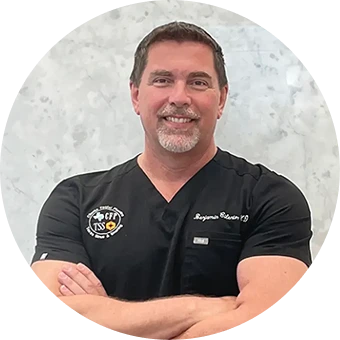
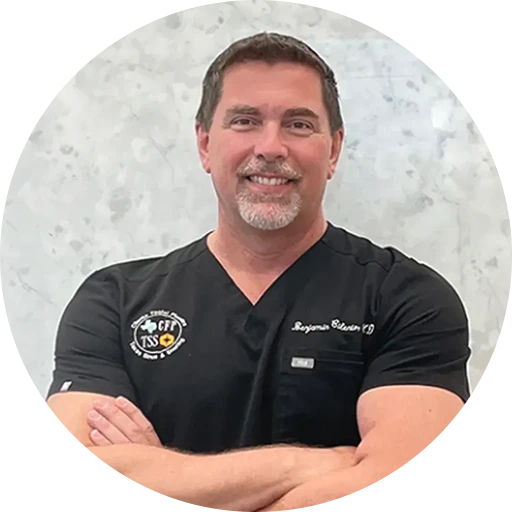
Dr. Ben cilento
Dr. Cilento is an award winning facial plastic surgeon in Houston, Texas. His reputation precedes him both professionally and from his patients. His work as both a facial plastic surgeon and sinus surgeon gives him a unique understanding of not just the form of the nose but also it’s function.
Face,
Facial Plastic Surgeon
