Understanding Primary Rhinoplasty vs. Revision Surgery
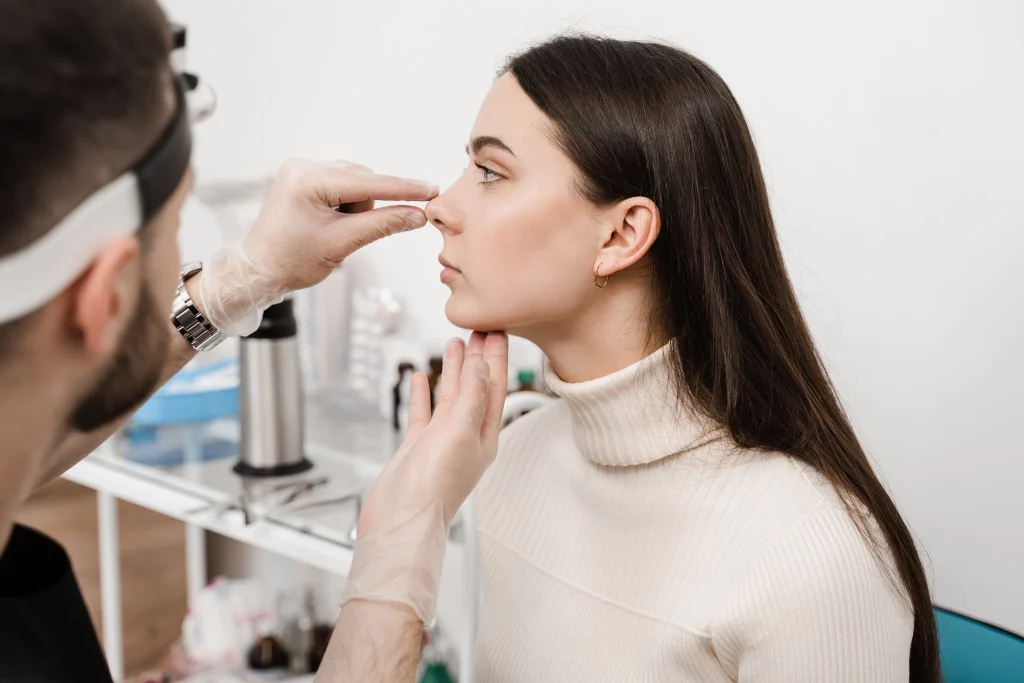
The distinction between first-time and secondary nasal surgery extends far beyond simple terminology. When you undergo your first procedure, your surgeon works with intact cartilage, bone, and soft tissue. The anatomy is predictable, and surgical techniques follow established patterns. Revision rhinoplasty, however, presents an entirely different landscape.
Scar tissue from your previous surgery creates unpredictable planes of dissection. Blood supply may be compromised, and the structural framework of your nose has already been modified or weakened. In many cases, cartilage grafts are necessary to rebuild support, often harvested from your rib or ear. This fundamental difference means revision surgery requires not just skill, but specialized training in reconstructive techniques.
Why You Should Choose Dr. Cilento
Selecting the right surgeon, such as Dr. Cilento, represents your most important decision in the revision rhinoplasty journey. Revision procedures require a specialist who understands the unique challenges of secondary nasal surgery.
Look for a surgeon with extensive revision-specific experience, a portfolio demonstrating successful correction of various nasal issues, and board certification in otolaryngology or related specialties. The ideal surgeon should spend significant time during consultation examining your nose, reviewing your surgical history, and using imaging technology to help visualize potential outcomes.
A qualified specialist’s approach should include a thorough assessment of your nasal structures, an honest discussion about what’s achievable, and a clear surgical plan that addresses your specific concerns. This level of detailed planning distinguishes truly qualified revision specialists from surgeons who occasionally perform these complex procedures.
What Makes Facial Plastic Surgery Revisions Complex
Revision procedures in this specialized field are more complex than initial operations. The compromised blood supply from previous surgery increases risks, and the presence of scar tissue makes every step more challenging. Understanding these complexities helps you appreciate why choosing an experienced surgeon matters so significantly.
The structural framework has already been altered, sometimes weakened, requiring creative solutions to rebuild proper support. Grafts may be necessary, and achieving symmetry becomes more difficult when working with previously modified anatomy. Some revisions require multiple stages to achieve optimal results, further extending your surgical journey.
Common Reasons for a Nose Job Revision
Patients seek revision surgery for various reasons, both functional and aesthetic. Some experience breathing difficulties that developed after their initial procedure, while others feel dissatisfied with cosmetic outcomes that don’t match their expectations or have worsened over time.
Common concerns include a nose that appears too small or overly refined, asymmetry that wasn’t present before surgery, a pinched or collapsed nasal tip, visible irregularities or deformities, and persistent or new breathing problems. Some patients develop complications like infections or poor healing that necessitate corrective surgery. Understanding these common scenarios helps you communicate your specific concerns effectively during consultation.
The Healing Process: What's Different This Time
The recovery timeline following revision rhinoplasty extends well beyond initial procedures and requires commitment to a longer healing journey. Immediately post-surgery, you’ll experience more significant swelling than first-time patients due to the disruption of already scarred tissue.
During the first two weeks, bruising and swelling peak before gradually subsiding. You’ll likely wear a nasal splint for 7-10 days, and internal splints or packing may be present depending on your specific procedure. Most patients can return to non-strenuous work within two weeks, though your nose will still appear swollen and unrefined.
The next several months involve gradual improvement, though progress may feel frustratingly slow. By three months post-surgery, approximately 50-60% of swelling resolves in revision cases, compared to 70-80% in primary procedures. This slower progression reflects the body’s healing response in previously operated tissue.
Keep Your Head Elevated During Recovery
One of the most critical instructions during early recovery involves sleeping and resting positions. Keeping your head elevated at a 30-45-degree angle for at least the first week is crucial for minimizing swelling and promoting proper drainage.
Use multiple pillows or a wedge pillow to maintain this position throughout the night. Many patients find sleeping in a recliner most comfortable during this period. This elevation helps reduce fluid accumulation in facial tissues and supports optimal healing. Even when resting during the day, maintain an elevated position rather than lying flat.
Timeline to Final Results
Managing expectations about your outcome timeline is a critical component of successful revision rhinoplasty. Unlike primary procedures, where dramatic transformations are often visible relatively quickly, revisions require significantly more patience.
While first-time patients might see their refined outcome within 12-18 months, revision patients often wait 18-24 months or longer for complete resolution of swelling and for scar tissue to mature. The nose continues to evolve throughout this period, and understanding this extended timeline prevents disappointment during recovery.
The tip – the most complex area in revision rhinoplasty – takes the longest to refine, often remaining somewhat swollen for the full two-year period. Between six months and one year, subtle changes continue as deeper swelling dissipates and scar tissue softens. By the 18-month mark, you’ll have a clearer picture of your outcome, though minor refinements may continue beyond this point.
How Your Original Rhinoplasty Impacts Revision Surgery
What happened during your first surgery significantly influences your revision approach and potential outcomes. If your previous surgeon removed too much cartilage, for example, rebuilding that structure has inherent limitations. Skin that’s been stretched or compromised won’t shrink to fit a smaller framework as effectively as tissue that’s never been operated on.
The techniques used in your initial procedure, the extent of tissue removal or modification, and how your body healed all factor into revision planning. Some patients have excellent remaining structural support and tissue quality, while others face more significant challenges. Your surgeon needs complete information about your first procedure, including operative reports if available, to plan the most effective revision approach.
Previous complications, the time elapsed since your first surgery, and the number of prior revisions also impact surgical strategy and expected outcomes. Generally, the more procedures you’ve had, the more limited your options become and the more conservative the surgical approach must be.
Understanding the Risks of Revision Surgery
Revision rhinoplasty carries higher risks than initial procedures, and understanding these potential complications helps you make an informed decision. The compromised blood supply from previous surgery increases the risk of skin loss or tip necrosis, particularly if your first procedure was aggressive or if you’re planning multiple revisions.
Infection rates, while still relatively low, are higher in revision cases due to the presence of scar tissue and often longer operative times.
Grafts used for structural support may shift, resorb, or become visible under thin skin.
There’s also the possibility of persistent asymmetry, as revision surgery works with already-altered anatomy where perfect symmetry may be impossible to achieve.
Breathing problems can worsen if internal structures are weakened further, and septal perforation – a hole in the wall dividing the nostrils – remains a serious risk, especially if the septum was used as a graft source previously.
Some patients experience persistent numbness, altered smell, or chronic nasal dryness that may be permanent.
Perhaps most importantly, you should understand that revision rhinoplasty cannot always achieve the results you envision. Limitations exist based on your remaining structural support, skin quality, and previous tissue damage.
Finding the Right Plastic Surgeon for Your Revision
Your surgeon selection determines your likelihood of success more than any other factor. Not all surgeons who perform rhinoplasty have the specialized training and experience needed for complex revisions. You need someone who regularly performs these procedures and has a proven track record of successful outcomes in cases similar to yours.
During consultations, ask specific questions about the surgeon’s revision experience:
How many revision rhinoplasties do they perform annually?
Can they show before-and-after photos of revision cases?
What percentage of their rhinoplasty practice involves revisions?
Are they board-certified in facial plastic surgery or otolaryngology?
A qualified revision specialist should thoroughly examine your nose, review your complete surgical history, discuss realistic expectations honestly, and present a detailed surgical plan. They should also discuss alternative options, potential limitations, and their approach to handling complications should they arise. Trust your instincts – if a surgeon makes promises that sound too good to be true or rushes through consultation without addressing your concerns, continue your search.
Preparing for Success
Proper preparation significantly impacts your surgical outcome and recovery experience.
Begin by compiling a complete surgical history, including operative reports from your previous procedure if possible. Understanding exactly what was done previously helps your surgeon plan the most effective revision approach.
Medical optimization proves essential – stop smoking at least six weeks before surgery, as nicotine severely impairs healing in revision cases where blood supply is already compromised. Certain medications and supplements that increase bleeding risk should be discontinued under your surgeon’s guidance.
Arrange for adequate help during recovery, as you’ll need assistance with daily activities for at least the first week. Stock your home with supplies, including extra pillows, ice packs, approved pain medications, and easy-to-eat foods that don’t require much chewing.
Psychologically prepare for a longer, more challenging recovery than your initial surgery. Understanding this reality beforehand prevents disappointment and helps you maintain realistic expectations throughout the healing process.
Final Thoughts on Revision Rhinoplasty: What to Expect
Revision rhinoplasty surgery represents a significant undertaking that shouldn’t be entered lightly, but for those with genuine concerns from their prior rhinoplasty surgery, it offers hope for meaningful improvement. Whether you’re dealing with cosmetic concerns, breathing issues, or nasal obstruction that developed after your initial procedure, this reconstructive surgery can address both functional and aesthetic problems. The key to success lies in selecting a board-certified plastic surgeon who is uniquely qualified in advanced techniques specific to secondary rhinoplasty – someone who understands the complexities of working with altered anatomy and limited native cartilage. Unlike first-time rhinoplasty patients, those undergoing revision procedures face unique challenges that require a revision rhinoplasty surgeon with specialized skills in this demanding surgical procedure performed under general anesthesia.
To ensure a smooth recovery, revision rhinoplasty patients must meticulously follow postoperative instructions throughout the recovery process. During the first few weeks, you’ll need to monitor your blood pressure, apply cold compresses to minimize swelling, and avoid activities that could worsen swelling or compromise healing. Simple restrictions like not being able to wear glasses directly on your nose may seem minor but prove crucial for protecting your results. The recovery timeline extends far beyond what most people expect, and patience becomes essential as your nose gradually settles into its final shape. This process can take up to two years as tissues soften and adapt to their new structure.
By thoroughly understanding the risks, preparing adequately, and maintaining realistic expectations about achievable outcomes, you maximize your chances for a satisfying result that restores facial harmony. Remember that revision rhinoplasty is your opportunity to correct concerns from your previous surgery and achieve both the function and appearance you deserve – an investment in your confidence and quality of life that requires careful consideration, professional care, and commitment to the extended healing journey ahead.
About the Author
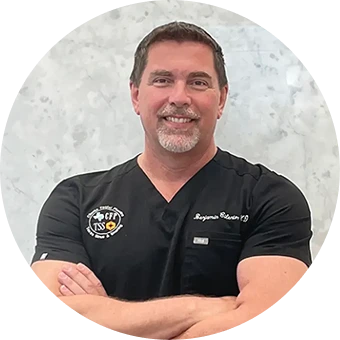
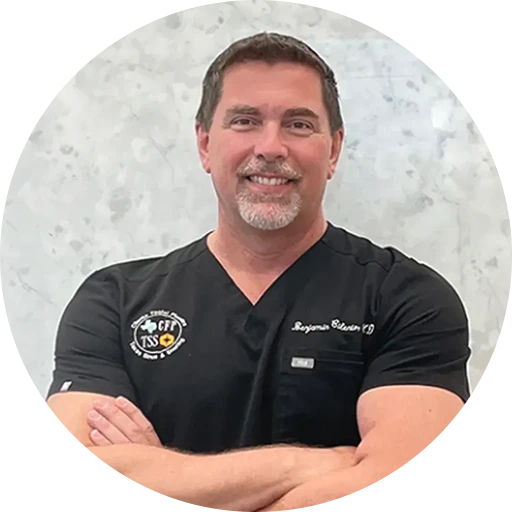
Dr. Ben cilento
Dr. Cilento is an award winning facial plastic surgeon in Houston, Texas. His reputation precedes him both professionally and from his patients. His work as both a facial plastic surgeon and sinus surgeon gives him a unique understanding of not just the form of the nose but also it’s function.
Face,
Facial Plastic Surgeon
