Understanding Your Initial Rhinoplasty
Your first procedure represents an opportunity to reshape your nose while working with intact, natural anatomy. During primary rhinoplasty, the surgeon has the advantage of predictable tissue behavior, adequate cartilage and bone structure, and skin that hasn’t been previously manipulated. This makes surgical planning more straightforward and outcomes generally more predictable.
Most people pursue their initial procedure for one of several reasons: a dorsal hump they want reduced, a bulbous or drooping tip, asymmetry, nostril size concerns, or functional breathing issues. The surgery typically takes 2 to 3 hours, and surgeons can choose between open and closed approaches depending on the complexity of the changes needed.
How Does Revision Rhinoplasty Differ from Primary Surgery?
The challenges that make revision rhinoplasty differ from primary procedures are substantial and multifaceted. When a surgeon operates on a previously altered nose, they encounter scar tissue that obscures normal anatomical planes, making dissection more difficult. The original blood supply may have been disrupted, and the structural support system – cartilage and bone – may have been reduced or weakened during the initial procedure.
Key differences include:
- Altered anatomy that makes surgical navigation more challenging
- Presence of internal and external scar tissue
- Potentially limited cartilage available for grafting
- Thicker, less pliable skin from previous surgery
- Higher unpredictability in healing and final results
- Need for cartilage grafts from the ear or rib in many cases
The psychological aspect also differs significantly. Patients seeking revision have already been through one surgery and recovery, often feeling disappointed or frustrated with their results. They may have heightened anxiety about undergoing another procedure, making the consultation process and setting realistic expectations even more critical.
Why Revision Procedures Are More Complex Than Primary Rhinoplasty
Several technical factors make revision cases more complex than primary rhinoplasty.
First, scar tissue from the previous surgery creates a challenging working environment. Unlike normal tissue that separates cleanly along natural planes, scar tissue is dense, fibrous, and adheres structures together. This makes even simple maneuvers time-consuming and increases the risk of complications.
Second, structural support may be compromised. If too much cartilage or bone was removed during the first surgery, the nose may lack the framework needed to maintain its shape. Revision surgeons often need to rebuild this framework using grafts harvested from the patient’s ear, rib, or, in rare cases, donated cartilage. This adds significant complexity and time to the procedure.
Third, the skin envelope has already been stretched and manipulated. In revision cases, the skin may be thicker, less elastic, and less able to redrape smoothly over the new nasal structure. This can limit the achievable refinement, particularly in patients with thick skin who have already undergone one or more surgeries.
Blood supply is another concern. The initial procedure disrupts some of the nose’s blood vessels, and while healing typically restores adequate circulation, revision surgery further challenges this supply. This increases risks of healing complications and tissue compromise.
Choosing the Right Board-Certified Plastic Surgeon
Selecting a qualified surgeon, such as Dr. Cilento, becomes even more critical for revision cases. You need a board-certified plastic surgeon or facial plastic surgeon with specific, extensive experience in revision rhinoplasty. These procedures require advanced technical skills, three-dimensional surgical thinking, and often expertise in cartilage grafting techniques.
When evaluating surgeons, consider:
Board certification in plastic surgery or otolaryngology with facial plastic surgery fellowship training
Significant revision rhinoplasty experience (ask how many they perform annually)
Before-and-after photos specifically of revision cases similar to yours
Willingness to discuss realistic outcomes and limitations
Thorough consultation that includes computer imaging when appropriate
Don’t hesitate to seek multiple consultations. A qualified revision specialist will spend considerable time examining your nose, reviewing operative reports from your first surgery if available, and discussing what can realistically be achieved. They should also be honest about whether your goals are attainable and worth the risks involved.
Risks Associated with Facial Plastic Surgery Revision
While all facial plastic surgery carries risks, revision rhinoplasty presents heightened concerns. The complication rate for revision procedures is higher than for primary surgeries, though still relatively low in experienced hands.
Common risks include:
Infection and poor wound healing
Breathing difficulties or worsening of existing breathing problems
Asymmetry or irregularities
Unsatisfactory aesthetic results requiring further surgery
Graft visibility or displacement
Prolonged swelling and numbness
Scarring, particularly with an open approach
Septal perforation (hole in the nasal septum)
In revision cases, the risk of needing additional surgery increases. Some studies suggest that up to 15% of revision rhinoplasty patients may seek a third procedure, compared with 5-10% of primary rhinoplasty patients who need revision. This underscores the importance of choosing the right surgeon and maintaining realistic expectations from the outset.
What to Expect During the Recovery Process
The recovery process following revision rhinoplasty typically mirrors primary rhinoplasty in terms of timeline but may feel more challenging due to increased swelling and the patient’s prior recovery experience.
Most patients wear a nasal splint for about a week, with internal splints or packing removed within a few days.
Initial swelling peaks around day three and begins subsiding within the first week. However, residual swelling in revision cases persists longer than in primary cases – sometimes taking 18-24 months to resolve completely, compared to 12-18 months in primary procedures. The tip is usually the last area to fully refine.
Most people return to work within 10-14 days, though strenuous exercise should be avoided for four to six weeks. You’ll have multiple follow-up appointments during the first year as your surgeon monitors your healing and results.
Schedule Your Nose Surgery at Our Clinic
If you seek revision rhinoplasty surgery or are considering your first procedure, our experienced surgeon, Dr. Cilento, brings the specialized expertise needed to address both aesthetic and functional concerns. Whether you’re unhappy with your nasal tip or overall nasal shape, or you’re experiencing breathing difficulties from a previous surgeon’s work, Dr. Cilento understands that revision rhinoplasty requires advanced techniques to address altered anatomy and a compromised nasal framework.
With years of experience in both primary and complex revision cases, Dr. Cilento takes the time to listen to your concerns, evaluate your unique situation, and develop a personalized surgical plan to achieve the results you’ve been hoping for.
Contact our clinic today to schedule your comprehensive consultation and take the first step toward the nose you’ve always wanted.
We Offer Professional Guidance During Your First Procedure
Undergoing your initial surgery can feel overwhelming, which is why our team is committed to providing comprehensive support throughout every step of your rhinoplasty journey. We understand that proper planning and execution during your first procedure significantly reduces the likelihood of needing a secondary procedure down the road. From your initial consultation through surgery day and beyond, we ensure you’re fully informed about what to expect, how to prepare, and how to optimize your healing process. Our detailed pre-operative guidance and attentive post-operative care help minimize complications and maximize your satisfaction with results. Should circumstances ever require it, our experience with revision rhinoplasty recovery means we’re equipped to support patients through even the most complex situations, though our primary goal is always to achieve excellent outcomes from your very first surgery.
Final Thoughts on First Surgery vs Revision Rhinoplasty
Understanding the critical distinctions in revision vs primary rhinoplasty empowers you to make informed decisions about your nasal surgery journey. Whether you’re planning your initial nose surgery to address aesthetic concerns or breathing issues, or you’re considering secondary rhinoplasty to correct unsatisfactory results, recognizing the complexity involved is essential. Unlike primary rhinoplasty, which works with intact nasal structure and predictable anatomy, revision nose surgery navigates the challenges of altered nasal structures, scar tissue, and potentially compromised support systems. If you find yourself needing to undergo revision rhinoplasty, selecting a highly experienced surgeon who specializes in these complex cases becomes paramount to achieving the improvements you desire. By approaching either procedure with realistic expectations, thorough research, and commitment to finding the right surgical expertise, you position yourself for the best possible outcome and the confidence that comes with a nose that looks and functions as you’ve envisioned.
About the Author
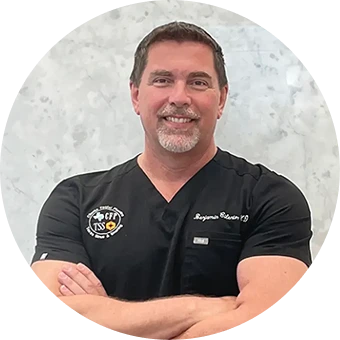
Dr. Ben cilento
Dr. Cilento is an award winning facial plastic surgeon in Houston, Texas. His reputation precedes him both professionally and from his patients. His work as both a facial plastic surgeon and sinus surgeon gives him a unique understanding of not just the form of the nose but also it’s function.
Face,
Facial Plastic Surgeon
