A typical facelift recovery timeline involves an initial 1-2 weeks of significant healing where rest is crucial, followed by a gradual return to social and physical activities over the next 2-4 weeks. Most patients feel comfortable in public by the end of the first month, with final, subtle results continuing to refine and settle over the course of 6 to 12 months. This guide breaks down each stage to help you prepare for your transformation.
At Cilento Facial Plastics, we believe a well-informed patient is a confident patient. Dr. Ben Cilento ensures that every individual considering a facelift has a clear picture of the entire recovery process.
A facelift is a surgical procedure designed to reverse the signs of aging in the cheeks, jowls, and neck by repositioning underlying tissues and removing excess skin. While the results can be transformative, the recovery is a process that requires patience and careful adherence to post-operative instructions.
Immediately after your surgery, you will experience swelling, bruising, and a feeling of tightness in your face and neck. You may have surgical drains and will be fitted with a supportive dressing or bandage to help minimize swelling and protect the incisions.
Facelift recovery can be broken down into several key stages:
The Acute Phase (Weeks 1-2): This is the most intensive recovery period, focused on rest and managing initial swelling and bruising. Your body focuses on immediate wound healing.
The Recovery Phase (Weeks 3-8): Swelling and bruising begin to subside significantly, and you’ll start to feel more like yourself. Most people can resume non-strenuous work and social activities.
The Maturation Phase (Months 2-12): Your results will continue to refine as residual swelling disappears, tissues soften, and sensation returns to normal. Scars mature and fade.
Every patient’s healing journey is unique, but this timeline provides a general overview of what you can anticipate when asking, “What is the facelift recovery timeline week by week?”
Days 1-3: The Critical First 72 Hours
The first three days are the most critical for managing swelling and discomfort. You will return home with specific instructions from Dr. Cilento.
Physical Sensations:
Tightness, numbness, and some discomfort, which can be managed with prescribed pain medication
Swollen areas around the ears, jawline, and neck
Possible drainage tubes to prevent fluid buildup
Activity Requirements:
Keep your head elevated at all times, even while sleeping
Apply cold compresses as directed to minimize swelling
Take prescribed pain medication to stay comfortable
Have someone stay with you for at least the first 24-48 hours
Take short walks around the house to promote circulation
Days 4-7: Swelling Peaks and Initial Healing
Toward the middle of the week, swelling and bruising may reach their peak before beginning to subside.
What to Expect:
Bruising, which may change color from purplish-blue to greenish-yellow
Some asymmetry due to uneven swelling
Difficulty opening your mouth wide or chewing tough foods
“Pins and needles” feeling as nerves begin to wake up
You will have a follow-up appointment at our office during this week. Dr. Cilento will check your incisions and, if needed, remove any surgical drains.
Removal of Stitches and Reduced Swelling
A major milestone this week is typically the removal of your stitches or surgical clips around days 7-10. This appointment is quick and causes minimal discomfort.
Physical Changes
Significant reduction in swelling (about 50% improvement)
Bruising changing from purple to yellow-green
Increased comfort and mobility
Better sleep quality as you can move more freely
Itching around incision lines (a sign of healing)
Resuming Light Activities
By the end of week two, most patients can:
Return to desk work (especially if working from home)
Perform light household tasks
Take short walks outside
Drive comfortably (once off pain medication)
Apply makeup to camouflage bruising
Shower and wash hair normally
Week three is often called the “awkward” or “in-between” phase. You’re feeling much better physically, but may still have:
Residual swelling, especially in the morning
Faint bruising that’s harder to cover with makeup
Transient tingling, zinging, or shooting sensations as nerves regenerate
Firmness or small lumps under the skin (scar tissue that will soften)
Tightness when turning your head or making facial expressions
Gradual Return to Normal Routine
Return to work if the job isn’t physically demanding
Attend social events with appropriate makeup
Resume light exercise like walking or gentle yoga
Sleep in your preferred position
Run errands or have quiet meals out
By the one-month mark, approximately 70-80% of swelling has resolved, revealing the sharper jawline and smoother neck that were the goals of the surgery.
Physical Progress
Most discomfort is completely gone
Residual numbness and minor tightness are improving
Natural facial expressions returning
Minimal to no bruising visible
Activity Level
Comfort attending social gatherings
Ability to exercise moderately
Return to most public-facing jobs
Dr. Cilento will guide you on reintroducing strenuous exercise
During the second month of recovery, the healing process becomes more about refinement.
Results Become More Natural
Morning puffiness diminishes significantly
Incision lines begin fading
Full range of facial expressions returns
Any residual numbness improves
Stiffness or lumpiness continues to resolve
By the six-week mark, most patients are cleared by Dr. Cilento to resume all normal activities, including:
Regular exercise routines
Swimming (with sun protection)
Travel by air
All work activities
Strenuous physical activity
The last 10-15% of swelling slowly disappears during this period. Your face now reflects the true outcome of your surgery.
Final Refinements
A defined jawline and neck angle are fully visible
Smooth cheek contours
Natural-looking results that move with your expressions
Improved facial symmetry
Incision lines are fading from pink to a paler color
Your face will continue to soften, and any residual tightness will resolve completely. Between months two and three, you’ll see what surgeons consider your “final” results.
What You’ll Notice:
Full resolution of swelling
Natural tissue settling
Balanced facial proportions
Results that look like a younger version of yourself
This is also a great time to discuss a long-term skincare plan to help maintain and enhance your surgical results.
Over the next 6-12 months, your scars will continue to mature, lightening in color and becoming softer and flatter until they are very difficult to see.
Tips for Maintaining Your Results:
Daily use of broad-spectrum SPF 30+
Maintain a stable weight and a balanced diet
Avoid smoking
Use medical-grade skincare products
Schedule regular follow-ups with Dr. Cilento
Essential Recovery Strategies:
Rest: Non-negotiable, especially in the first week
Head Elevation: Keep head elevated above heart for first 1-2 weeks
Cold Compresses: Apply for 20 minutes at a time during the first 48-72 hours
Medication: Take all prescribed medications exactly as instructed
Nutrition: Eat protein-rich foods, vitamin C, and stay well-hydrated
Movement: Gentle walking promotes circulation and healing
Contact your provider immediately if you experience:
Fever over 101°F
Sudden increase in pain or swelling on one side
Excessive bleeding
Unusual discharge from incisions
Signs of infection (spreading redness, warmth)
Severe pain not relieved by medication
Shortness of breath or chest pain
Any concerns about your healing progress
The team at the Spring location is available Monday through Friday from 8:00 AM to 5:00 PM, and Saturdays from 8:00 AM to 3:00 PM.
Understanding the facelift recovery timeline week by week helps you prepare mentally and physically for your transformation journey. While the first two weeks require the most patience and care, most patients return to normal activities within three weeks and see their beautiful results emerge over the following months.
Recovery from a facelift is a marathon, not a sprint. By understanding the timeline, preparing for each stage, and following Dr. Cilento’s professional guidance, you can ensure a smooth and successful recovery. The reward is a beautifully natural, refreshed appearance that can boost your confidence for years to come.
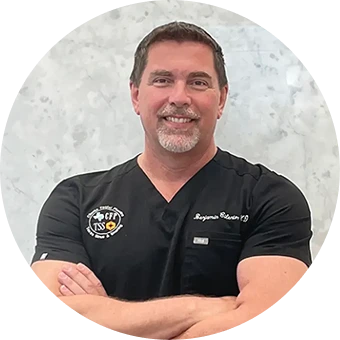
About the Author
Dr. Ben cilento