Understanding the Rhinoplasty Procedure
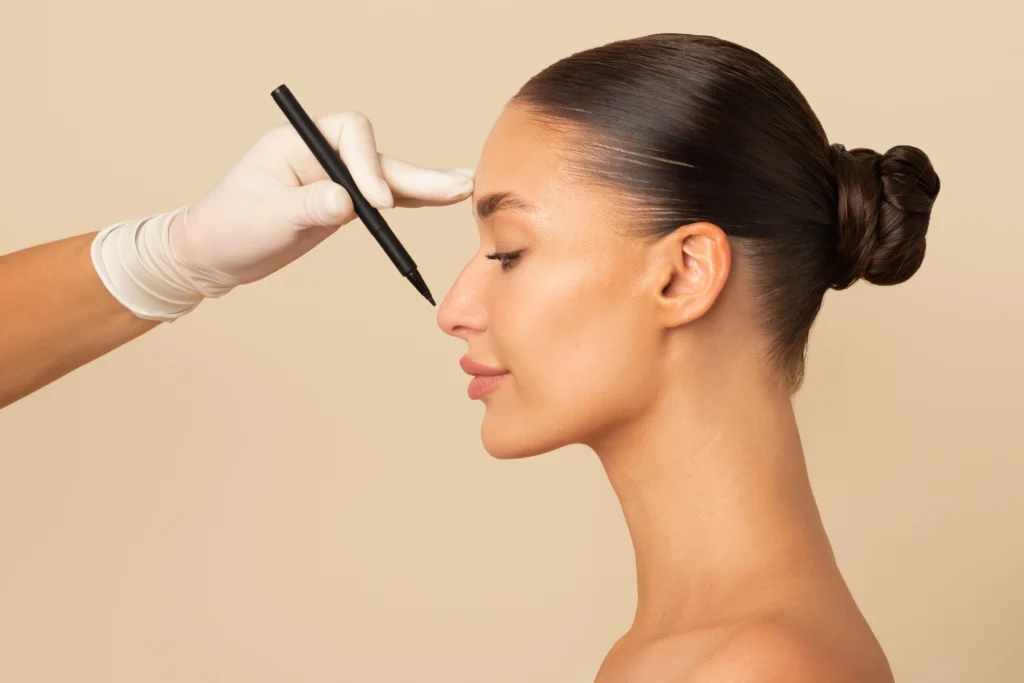
Rhinoplasty is a delicate operation designed to alter the nasal structure. The procedure can involve reshaping bone, cartilage, and soft tissues to achieve either cosmetic or functional goals. Depending on your needs, the surgery may be done under local or general anesthesia.
Surgeons typically choose between two main techniques: open rhinoplasty and closed rhinoplasty. In open rhinoplasty, a small incision is made across the columella (the strip of tissue separating the nostrils), allowing the surgeon to lift the nasal skin and clearly view the underlying structures. This method provides greater precision for complex changes but may involve a slightly longer recovery period. Closed rhinoplasty, on the other hand, involves incisions inside the nostrils, resulting in no visible external scars and usually faster healing.
The operation can last from one to three hours, depending on the complexity of the case. Whether it’s done for cosmetic reasons, such as refining the nasal tip or straightening a bridge, or functional reasons, like correcting a deviated septum, the goal remains to create a balanced and natural result.
Is Rhinoplasty Painful?
Pain is one of the most common concerns for anyone considering nose surgery. Fortunately, modern techniques and anesthesia make the procedure far less uncomfortable than many expect. During surgery, you will not feel pain because of anesthesia. Afterward, most patients report mild soreness or pressure rather than severe pain.
Swelling, bruising, and nasal congestion are typical during the first few days after surgery. Your surgeon may prescribe pain medication to ease discomfort during this stage. Keeping your head elevated and applying cold compresses as directed can also help reduce swelling. Within a week, most people feel well enough to return to light daily activities, though complete healing takes longer.
Cosmetic Rhinoplasty and Its Safety
When performed for aesthetic reasons, rhinoplasty falls under the category of cosmetic rhinoplasty. This type of surgery is designed to improve facial harmony by adjusting the size, shape, or symmetry of the nose. Since it focuses on appearance rather than medical necessity, it’s especially important to choose a board-certified surgeon who specializes in facial cosmetic surgery.
The safety of cosmetic rhinoplasty primarily depends on the surgeon’s skill, the patient’s overall health, and adherence to postoperative instructions. Complications such as infection, excessive bleeding, or scarring are uncommon. Surgeons take precautions to minimize these risks, including the use of sterile techniques, precise incisions, and appropriate anesthesia.
A reputable surgeon will also conduct a detailed consultation and medical evaluation before surgery to ensure that you are a suitable candidate. Being open about your medical history, medications, and lifestyle habits (such as smoking) helps reduce risk and support a smooth recovery process.
Closed vs. Open Rhinoplasty: Which Type of Nose Job Is Safer?
When considering rhinoplasty surgery, patients often wonder whether the closed or open technique is safer. Both approaches are effective and widely used in aesthetic surgery, but they differ in how the surgeon accesses the nasal structures.
Open rhinoplasty involves a small incision between the nostrils, providing direct visibility of the nasal septum and internal framework, which can be beneficial for complex corrections.
Closed rhinoplasty, performed through incisions inside the nostrils, leaves no external scar and generally offers a quicker recovery.
In terms of safety, both techniques carry similar rhinoplasty risks, such as swelling, infection, or temporary breathing difficulty, but these complications are rare when the procedure is performed by an experienced surgeon who tailors the method to the patient’s needs.
Understanding Nasal Bones and Surgical Risks
Because rhinoplasty involves reshaping the nasal bone and cartilage, it’s normal to wonder how this affects safety. The nasal bone provides the foundation of the nose, and adjustments must be made carefully to preserve both strength and function.
During surgery, controlled fractures may be necessary to refine the nasal bridge or narrow the width of the nose. These bone adjustments sound intimidating, but in the hands of a skilled surgeon, they are performed with precision and stability in mind. The nasal structure is then supported and allowed to heal in its new shape.
The most common risks associated with altering the nasal bone include temporary swelling, bruising around the eyes, and mild tenderness. Rarely, patients may experience breathing difficulties, asymmetry, or infection. These risks can often be minimized through proper surgical planning, gentle surgical technique, and attentive postoperative care.
The Recovery Process and What to Expect
The recovery process is a crucial part of achieving a successful outcome. After surgery, your nose will be covered with a splint or bandage to support the new structure. This is typically removed after about one week. You may also have internal splints or packing that are removed during a follow-up visit.
Bruising and swelling usually peak within the first few days and gradually subside over the following weeks. It’s important to follow your surgeon’s instructions closely, such as avoiding strenuous exercise, heavy lifting, or blowing your nose too soon. Most patients can return to work within one to two weeks, depending on how they feel and the type of work they do.
The initial recovery period can last several months. While much of the swelling resolves within the first few weeks, subtle changes continue as the tissues settle and refine. Final results may take up to a year to fully appear, especially for patients who had more extensive modifications to the nasal bone or tip. Patience is key, and attending all follow-up appointments ensures that your healing progresses as expected.
Revision Rhinoplasty and Its Risks
In some cases, patients may seek revision rhinoplasty if they are not satisfied with the results of their initial nose job or if functional issues persist. Revision procedures are typically more complex because the nasal structure has already been altered, and scar tissue may have developed.
These secondary surgeries require exceptional expertise. Surgeons performing revision rhinoplasty often rely on cartilage grafts (taken from the septum, ear, or rib) to rebuild or support nasal structures. While revision surgery carries a slightly higher risk of complications, careful planning and realistic expectations can lead to successful results.
Choosing a surgeon who specializes in both primary and revision cases is essential. A thorough evaluation, including imaging and physical assessment, helps determine the best approach and ensures safety throughout the process.
Comparing Rhinoplasty to Other Types of Plastic Surgery
Like other types of plastic surgery, rhinoplasty requires precision, aesthetic understanding, and medical expertise. What makes it unique is the combination of cosmetic and functional goals. Unlike procedures focused solely on appearance, rhinoplasty often enhances both breathing and facial harmony.
While risks such as infection, bleeding, or poor wound healing can occur in any plastic surgery, these are uncommon when the procedure is performed under proper conditions. The nose’s central position on the face also makes even small changes noticeable, which is why selecting a surgeon with both technical and artistic skill is vital.
Good communication between you and your surgeon is key to ensuring that your expectations align with what’s surgically achievable. Photos, 3D imaging, and detailed consultations can help visualize potential outcomes before surgery, reducing the likelihood of disappointment or the need for revision.
How to Prepare for a Safe Nose Surgery
Preparation is one of the most important steps in ensuring a safe and smooth rhinoplasty experience. Your surgeon will likely advise you to stop smoking, avoid certain medications that increase bleeding risk, and maintain good overall health before the procedure.
Having realistic goals and understanding the limitations of cosmetic surgery helps set the right mindset. You should also arrange for someone to drive you home after surgery and assist you for the first couple of days. Rest, hydration, and following your post-operative care plan all contribute to a successful recovery.
Schedule Your Cosmetic Surgery at Our Clinic
If you’re ready to enhance your facial harmony and confidence, schedule your cosmetic surgery with our experienced rhinoplasty surgeon, Dr. Cilento, who is known for his precision and artistry in nasal aesthetics. From your initial rhinoplasty consultation to your personalized treatment plan, Dr. Cilento will guide you through every step of the process with care and expertise. Each surgical procedure is tailored to meet your individual goals, ensuring natural-looking results and a smooth, safe experience from start to finish.
Final Thoughts: Is Rhinoplasty Dangerous?
About the Author
Dr. Ben cilento
Dr. Cilento is an award winning facial plastic surgeon in Houston, Texas. His reputation precedes him both professionally and from his patients. His work as both a facial plastic surgeon and sinus surgeon gives him a unique understanding of not just the form of the nose but also it’s function.
Face,
Facial Plastic Surgeon
