Cosmetic Rhinoplasty vs Functional Rhinoplasty
Rhinoplasty can be categorized into two broad categories: cosmetic rhinoplasty and functional rhinoplasty.
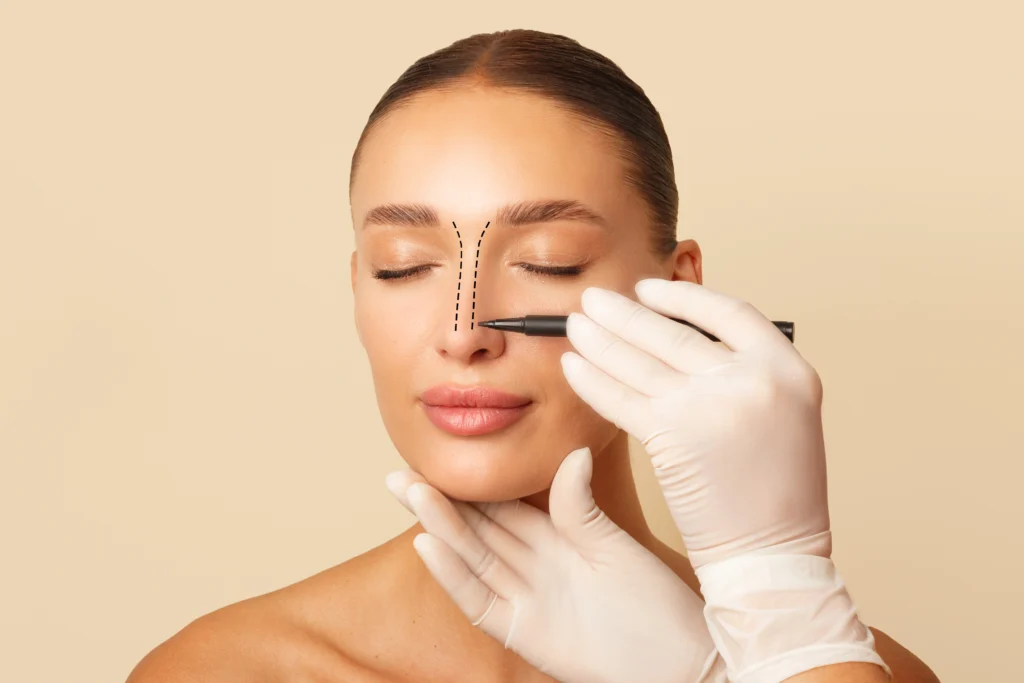
Cosmetic rhinoplasty focuses on enhancing the appearance of the nose. People may choose cosmetic procedures to reduce the size of the nose, reshape the bridge, refine the tip, or achieve better facial symmetry.
Functional rhinoplasty, on the other hand, is designed to improve the way the nose works. This includes addressing breathing difficulties, correcting a deviated septum, or repairing damage from trauma or previous surgeries.
In many cases, patients benefit from a combination of both cosmetic and functional rhinoplasty. This means they can improve both the look and function of their nose in a single procedure. Surgeons trained in these techniques can tailor the surgery to meet each patient’s unique needs.
Cosmetic Procedures in Rhinoplasty
Cosmetic procedures in rhinoplasty vary widely depending on the patient’s goals and nasal anatomy. Some of the most common procedures include reducing a dorsal hump, narrowing the nostrils, refining the nasal tip, and correcting asymmetry. These procedures can subtly improve facial balance or create a more dramatic transformation depending on the individual’s goals.
Patients often have questions about recovery after cosmetic surgery. Typically, swelling and bruising are most noticeable during the first week after surgery. Most patients can return to work and social activities within two weeks, though the nose may take several months to settle into its final shape. Following your surgeon’s post-operative care instructions is critical to achieving the best results.
Addressing a Deviated Septum with Functional Rhinoplasty
A deviated septum occurs when the thin wall dividing the nasal passages is displaced to one side, causing breathing difficulties, snoring, or frequent sinus infections. Functional rhinoplasty can correct this issue, improving airflow and overall nasal function. Septoplasty is the most common procedure used to treat a deviated septum, and it is often performed simultaneously with cosmetic rhinoplasty when both aesthetic and functional goals are desired.
Patients considering surgery for a deviated septum may experience significant improvements in quality of life. Breathing becomes easier, sleep quality improves, and the risk of sinus infections decreases. Correcting structural problems, such as a deviated septum, can also make future nasal surgeries safer and more effective.
Determining if Your Rhinoplasty Is Covered by Insurance
Many patients are surprised to learn that not all rhinoplasty procedures are covered by insurance. Cosmetic rhinoplasty performed purely for aesthetic reasons is typically not covered by insurance. Functional rhinoplasty, however, is a different story. If a patient experiences breathing problems due to a deviated septum or other structural issues, insurance coverage for rhinoplasty may be available.
Insurance companies require documentation to demonstrate the medical necessity of the procedure. This includes a diagnosis from an ENT specialist, a history of symptoms, and sometimes imaging studies to show the extent of structural abnormalities. Surgeons often assist patients in navigating this process to ensure the necessary paperwork is submitted correctly.
Understanding Insurance Coverage for Rhinoplasty
Insurance coverage for rhinoplasty depends on several factors. The procedure must be performed to treat a medical condition, such as a deviated septum, chronic sinusitis, or airway obstruction. Coverage may also extend to cases of trauma, congenital deformities, or complications from previous surgeries.
It is important to note that insurance plans vary widely. Some plans cover the full cost of functional rhinoplasty, while others may only cover part of the procedure. Patients should confirm coverage details with both their surgeon’s office and their insurance provider. Many offices can provide a detailed estimate that separates the cosmetic and functional components of the surgery, which can help understand what portion may be covered by insurance.
Factors That Influence Insurance Coverage for Rhinoplasty
Several factors determine whether insurance will cover rhinoplasty. Understanding these can help you know what to expect and how to prepare your claim.
Medical Necessity. Insurance typically only covers rhinoplasty if it is deemed medically necessary. This means the surgery must address a functional problem, such as difficulty breathing, chronic sinus infections, or a deviated septum. Purely cosmetic procedures are usually excluded.
Documentation From a Physician. Your insurance provider will require documentation from an ENT specialist or a qualified surgeon. This may include a diagnosis, a detailed description of symptoms, and sometimes imaging studies showing structural abnormalities. Clear medical records increase the likelihood of coverage.
Type of Procedure. Functional rhinoplasty or septoplasty to correct a deviated septum or other airway obstruction is more likely to be covered than cosmetic rhinoplasty. If the procedure combines both cosmetic and functional elements, coverage may only apply to the functional portion.
Previous Trauma or Surgery. Insurance is more likely to cover rhinoplasty if it is necessary due to injury, trauma, or complications from an earlier surgery. This is considered medically necessary because it restores function or corrects structural damage.
Insurance Plan Specifics. Coverage rules vary widely among insurance plans. Some plans may cover most functional procedures, while others have stricter requirements or limits. Patients should review their policy documents and speak directly with their provider to understand their coverage.
Age and Health Conditions. Some insurers consider age, overall health, and underlying medical conditions when evaluating claims. Surgery may need to be delayed or documented differently if a patient has certain health risks.
Pre-Authorization Requirements. Many insurance companies require pre-authorization before surgery. This process ensures that the procedure meets the plan’s medical necessity criteria and prevents unexpected out-of-pocket costs.
Preparing for Rhinoplasty Surgery
Preparation is key to a successful rhinoplasty outcome. Before surgery, patients undergo a thorough consultation during which the surgeon evaluates the nasal anatomy, discusses the goals, and reviews the medical history. Photographs may be taken to plan the procedure and to help visualize potential results.
Patients are usually advised to avoid certain medications, such as blood thinners, before surgery. Smoking should be stopped several weeks before surgery, as it can interfere with healing. Clear communication with the surgeon about expectations, recovery timelines, and potential risks is crucial to achieving satisfaction with the results.
What to Expect During Recovery
Recovery from rhinoplasty varies depending on the complexity of the procedure. Most patients experience swelling, bruising, and minor discomfort for the first week or two after the procedure. Nasal splints or packing may be used to support the nose’s structure during the initial healing period.
Patients are encouraged to avoid strenuous activities for several weeks and to keep their head elevated to reduce swelling. Results gradually become more apparent as swelling decreases, but the final shape of the nose may take up to a year to fully stabilize. Following post-operative care instructions, including attending all follow-up appointments, is essential for optimal healing and long-term results.
Risks and Considerations in Cosmetic Surgery
Like any surgery, rhinoplasty carries risks. Potential complications include infection, bleeding, scarring, and dissatisfaction with the aesthetic result. In some cases, revision surgery may be necessary to achieve the desired outcome.
Choosing an experienced, board-certified plastic surgeon is one of the most critical steps in minimizing risks. Surgeons with expertise in both cosmetic and functional rhinoplasty can address structural problems while achieving natural-looking results. Clear communication and realistic expectations are vital to a positive experience.
The Benefits of Combining Cosmetic and Functional Rhinoplasty
Combining cosmetic and functional rhinoplasty allows patients to address multiple concerns in a single procedure. For instance, someone with a deviated septum who also wants to refine the nasal tip can achieve both goals simultaneously. This approach can reduce overall recovery time, minimize surgical risk, and provide a more comprehensive transformation.
Patients who undergo combined procedures often report higher satisfaction rates because their functional and aesthetic goals are addressed together. Surgeons can carefully plan the surgery to balance the structural corrections needed for improved breathing with the cosmetic refinements desired for facial harmony.
Making the Decision About Rhinoplasty
Deciding to undergo rhinoplasty is a deeply personal decision. Patients should consider their motivations, desired outcomes, and whether functional issues, such as a deviated septum, are present. Consulting with a skilled surgeon who can explain the differences between cosmetic and functional rhinoplasty, potential insurance coverage, and recovery expectations is essential.
Researching surgeon qualifications, reviewing before-and-after photos, and asking questions about the procedure can help patients make informed decisions about their care. Understanding which aspects of the surgery are covered by insurance and which are considered cosmetic is also critical to planning, both financially and logistically.
Conclusion: Does Health Insurance Cover the Cost of Rhinoplasty?
Deciding to undergo nose surgery involves both aesthetic and medical considerations. While cosmetic nasal surgery focuses on appearance, medical rhinoplasty addresses functional issues, such as nasal valve collapse, nasal obstruction, or a deviated nasal septum. For insurance approval, the procedure must be deemed medically necessary and supported by a thorough medical evaluation, which often includes a physical examination, imaging of the nasal bone, and documentation of any documented nasal fracture or prior trauma.
Most insurance plans will only cover the medical portion of rhinoplasty, meaning the cosmetic portion of the surgery is typically not included. Medical professionals, including experienced surgeons, can help determine whether nasal obstruction, sleep apnea, or other functional problems qualify for coverage. In some cases, revision rhinoplasty may also be considered if prior surgeries did not fully correct functional issues.
Understanding the breakdown of costs is essential, as insurance pays only for medical reasons, including medical procedures, anesthesia fees, and corrections necessary for proper nasal function. Patients should plan for the recovery period and consult with their surgeon about both cosmetic and functional goals. By working with knowledgeable medical professionals, documenting functional issues, such as nasal valve collapse, nasal septum deviation, or nasal obstruction, and clearly separating cosmetic and medical goals, patients can better understand which aspects of rhinoplasty are covered by insurance and manage their rhinoplasty cost expectations effectively.
About the Author
Dr. Ben cilento
Dr. Cilento is an award winning facial plastic surgeon in Houston, Texas. His reputation precedes him both professionally and from his patients. His work as both a facial plastic surgeon and sinus surgeon gives him a unique understanding of not just the form of the nose but also it’s function.
Face,
Facial Plastic Surgeon
