
Rhinoplasty Scars and Long-Term Healing
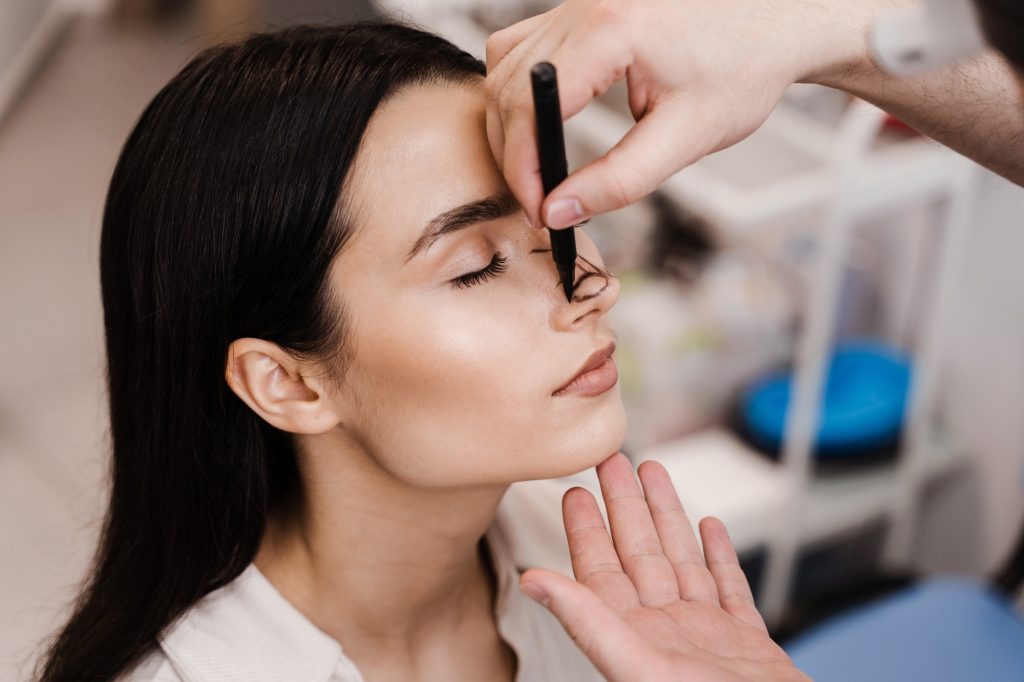
Rhinoplasty scars are typically minimal and become less noticeable over time, but the healing process depends on the type of rhinoplasty performed, your skin and genetics, and how closely you follow aftercare, especially during the first few months when scar tissue is actively remodeling. Most people heal with little to no visible scarring, and the “final” scar appearance is usually judged around the one-year mark (sometimes longer).
Can Rhinoplasty Fix a Bulbous Tip?

A rounded nasal tip – commonly referred to as a bulbous tip – is one of the most frequent concerns people bring to rhinoplasty consultations. Whether it’s caused by thick skin, oversized cartilage, or a lack of definition between the tip’s structures, a bulbous tip can make the nose appear wider or heavier than desired.
The good news? Rhinoplasty is highly effective at addressing this issue. Here’s what you need to know about how the procedure works, what results are realistic, and whether it might be the right solution for you.
Rhinoplasty Recovery Timeline: What to Expect
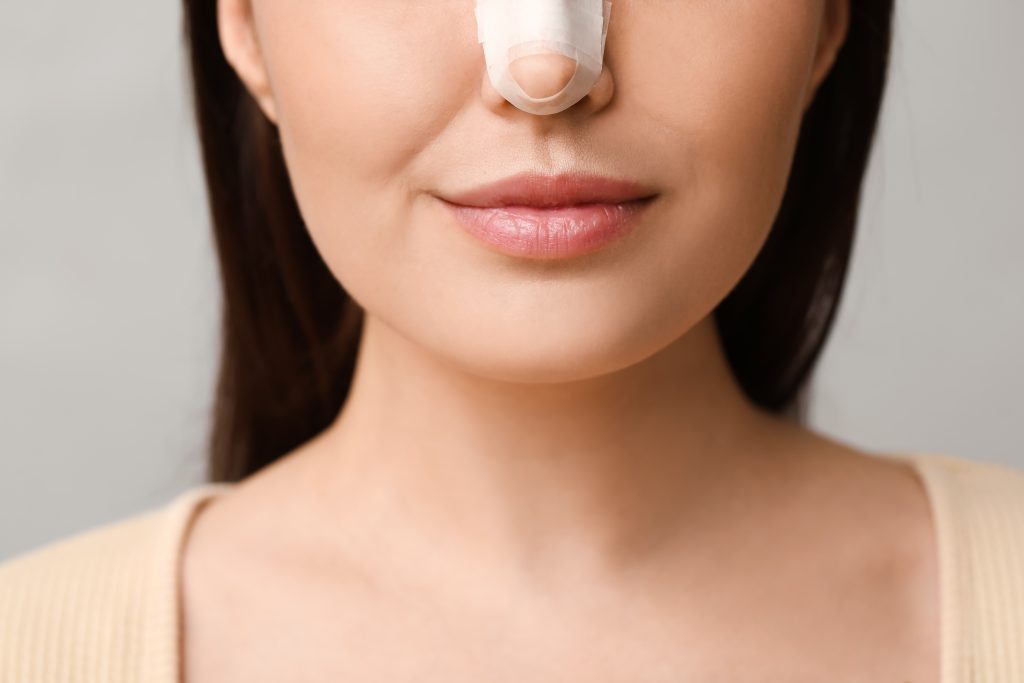
Deciding to reshape your nose is a big step, and the weeks that follow surgery can feel just as significant as the procedure itself. The rhinoplasty recovery timeline generally spans 12 months, though most people feel comfortable returning to work and daily life within 2 to 3 weeks. The bulk of visible swelling subsides in the first few months, and the final shape of your nose gradually emerges over the course of a year. Understanding what happens at each stage can help you manage expectations, avoid complications, and feel more confident throughout the process.
Am I a Good Candidate for Rhinoplasty?
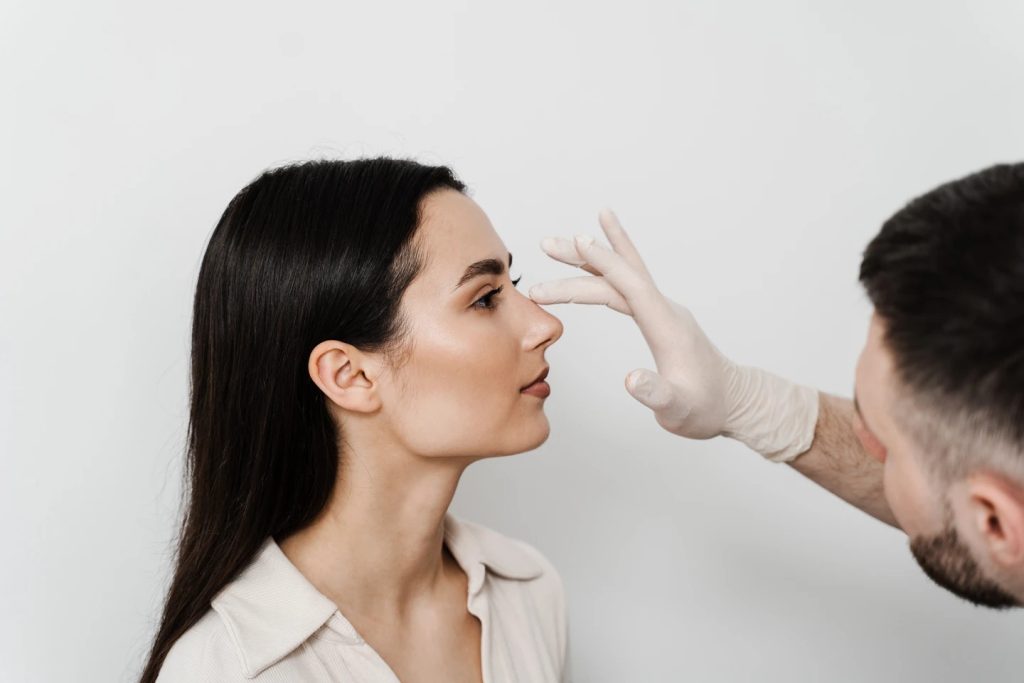
Thinking about changing the shape of your nose is a big decision, and it’s one that millions of people consider every year. Whether you’re bothered by a bump on the bridge, a drooping tip, or a nose that feels out of proportion with the rest of your face, it’s natural to wonder whether surgery is the right path for you. Becoming a good rhinoplasty candidate comes down to a combination of physical health, emotional readiness, and having the right mindset going into the process. Generally speaking, you’re likely a good candidate if you’re in good overall health, your face has finished developing, you have specific and reasonable goals, and you’re pursuing the change for yourself, not because someone else pressured you into it.
What Is the Best Age for Rhinoplasty? Teens vs Adults Explained

Deciding when to undergo rhinoplasty is a deeply personal choice that depends on several key factors, including physical development, psychological readiness, and individual circumstances. While there’s no single “perfect” age for nose surgery, most plastic surgeons agree that the timing should align with complete facial growth, emotional preparedness, and realistic expectations. For teenage patients, this typically means waiting until at least age 15-16 for girls and 17-18 for boys, though many surgeons recommend waiting until the early twenties when facial features have fully matured. Adult patients, on the other hand, can pursue rhinoplasty at virtually any age, provided they’re in good health and have clear aesthetic goals.
Revision vs Primary Rhinoplasty: Which Procedure Is Right for You?
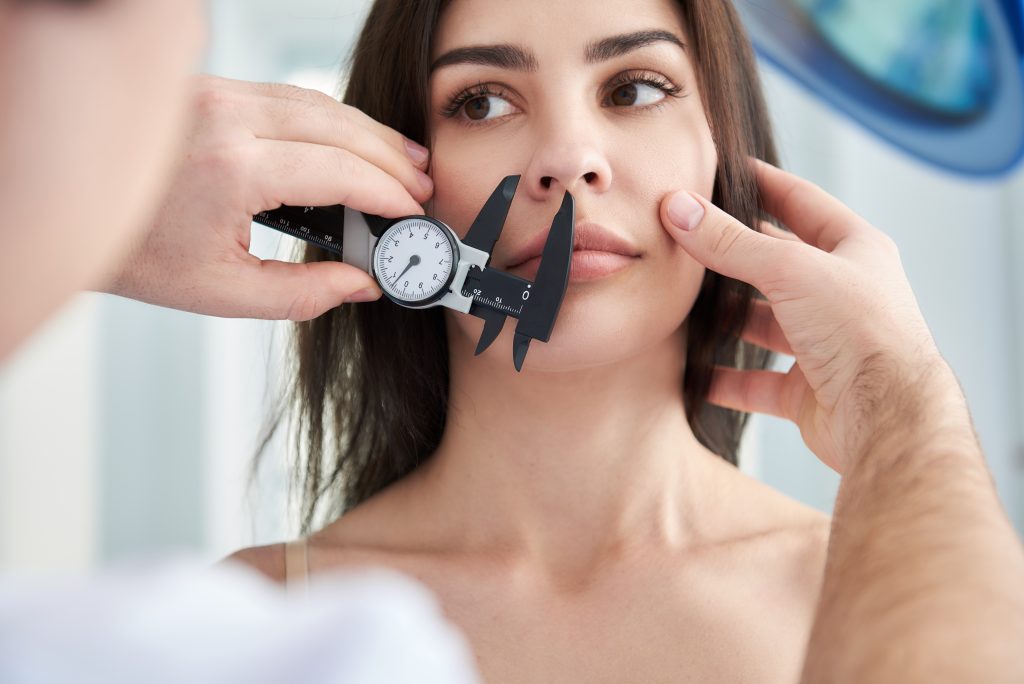
When considering nose surgery, understanding whether you need a primary or revision procedure fundamentally shapes your surgical journey. Primary rhinoplasty refers to your first nose surgery, typically performed to address cosmetic concerns or breathing problems in a nose that hasn’t been operated on before. Revision rhinoplasty, on the other hand, is any subsequent surgery performed to correct or improve results from a previous rhinoplasty. The distinction matters significantly because revision procedures involve operating on already-altered anatomy, scar tissue, and potentially compromised structural support, making them considerably more challenging than first-time surgeries.
What Is Revision Rhinoplasty? What to Expect and How It Works
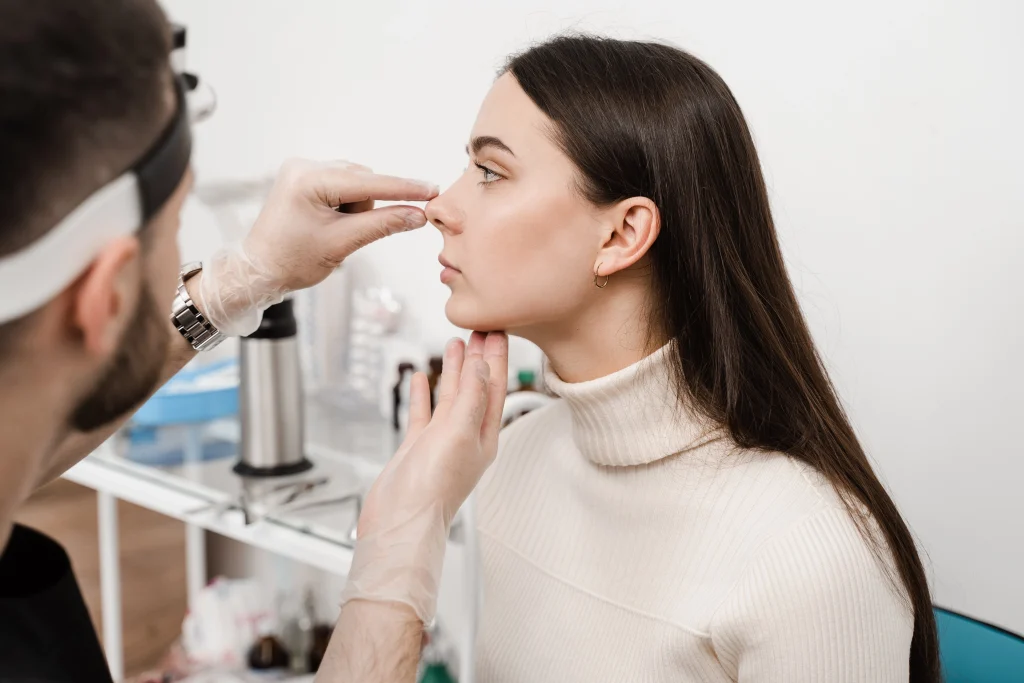
Considering revision rhinoplasty requires careful evaluation of several critical factors that differ significantly from initial nose surgery. While primary procedures aim to reshape a nose that has never been surgically altered, revision rhinoplasty addresses concerns from a previous procedure, making it inherently more complex due to scar tissue, altered anatomy, and potentially compromised structural support. Before moving forward, you need to understand that revision procedures carry higher risks, require longer recovery periods, and demand a surgeon with specialized skills in corrective nasal surgery. Success depends on realistic expectations, thorough consultation with an experienced specialist, and commitment to a potentially extended healing timeline.
What Are The Ethnic Rhinoplasty Considerations? Key Features Explained
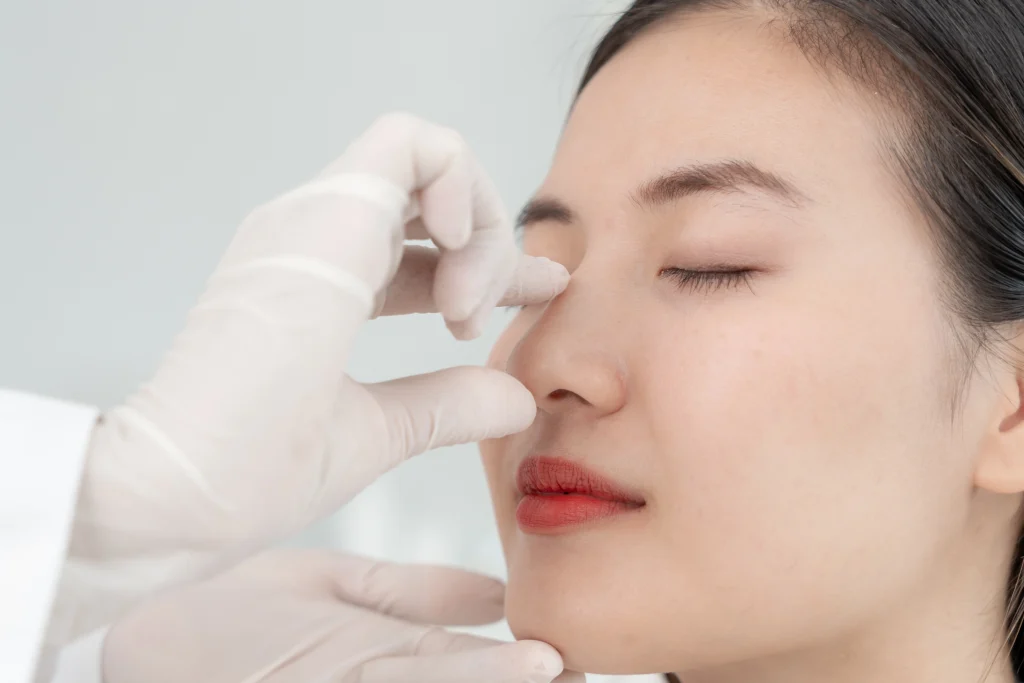
When considering rhinoplasty, individuals from diverse ethnic backgrounds need specialized approaches that honor their unique facial anatomy and heritage rather than defaulting to Eurocentric beauty standards. The key to successful ethnic rhinoplasty lies in working with surgeons who understand the distinct structural characteristics of different ethnic noses – from skin thickness and cartilage strength to nasal bridge height and tip projection – and who prioritize enhancement over transformation, preserving the facial harmony that reflects your ethnic identity while addressing your specific aesthetic or functional concerns.
How Long Does a Rhinoplasty Take?
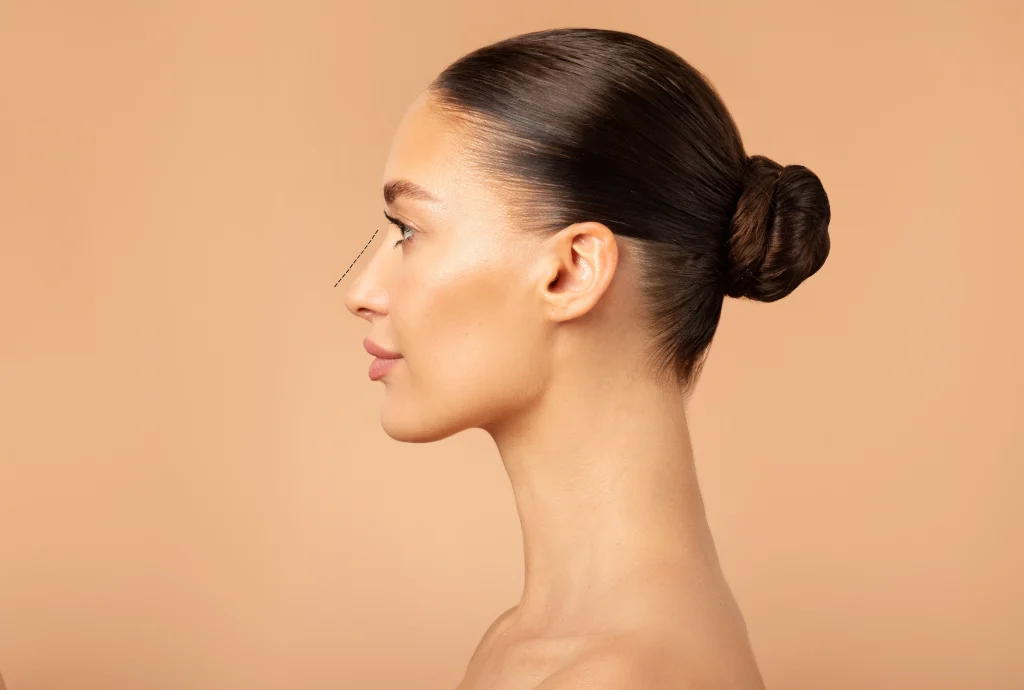
Rhinoplasty is one of the most well-known facial procedures, and people often wonder what the timeline looks like from start to finish. Although experiences vary, most rhinoplasty surgeries take about 1.5 to 3 hours, depending on the technique, complexity, and specific goals discussed with the surgeon. Understanding what happens before, during, and after nose surgery can help you feel more confident, informed, and prepared if you are considering it.
How Long Does Rhinoplasty Take to Heal?
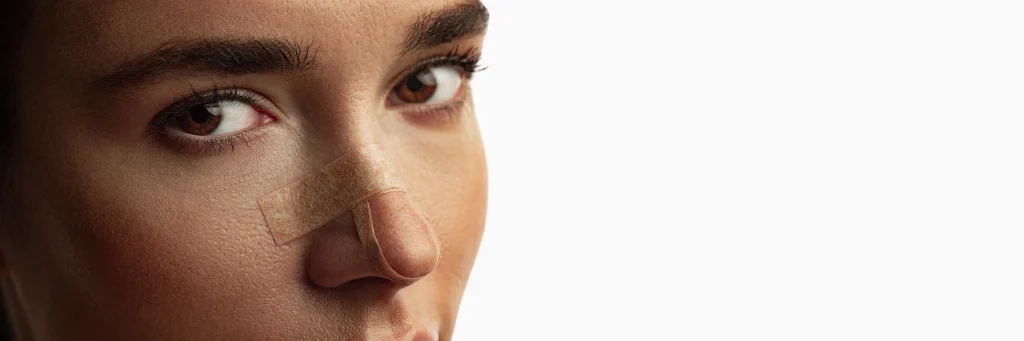
If you’re considering rhinoplasty or have already scheduled your procedure, understanding the recovery timeline is essential for setting realistic expectations. While most patients can return to work and light activities within one to two weeks, complete healing from rhinoplasty is a gradual process that unfolds over several months. The initial swelling subsides within a few weeks, but subtle changes continue as your nose settles into its final shape over the course of a year or even longer. Knowing what to expect at each stage can help you prepare mentally and physically for the journey ahead.