
Understanding the Nose Surgery Healing Process
Rhinoplasty is a complex surgical procedure that involves reshaping the bone and cartilage of your nose. Because of this structural work, your body needs adequate time to heal and adjust. The recovery process varies from person to person based on factors like the extent of your surgery, your natural healing ability, and how well you follow post-operative instructions.
During the procedure, your surgeon makes precise modifications to the nasal structure, which causes trauma to the surrounding tissues. This trauma triggers your body’s natural healing response, resulting in swelling, bruising, and temporary changes in sensation. Understanding that these reactions are normal and expected can help ease anxiety during the recovery period.
The First Week: Critical Days After Surgery
The first week following your rhinoplasty is the most intensive recovery period. You’ll likely experience significant swelling and bruising around your nose and eyes, with the worst of it appearing around days two and three. Surgeons apply a nasal splint to protect your nose and support the new structure as it begins to heal.
During these initial days, you’ll need to be extremely gentle with your facial area. Avoid any activities that could bump or jostle your nose, and resist the urge to touch or adjust your splint. Sleep is crucial during this time, but you’ll need to modify your sleeping position to support proper healing.
Pain during the first week is typically manageable with prescribed medication. Many patients describe the discomfort as a dull ache rather than sharp pain. You may also experience nasal congestion, which can be frustrating but is completely normal. Your surgeon will provide specific guidelines about cleaning around your nostrils and managing any drainage.
Keep Your Head Elevated for Optimal Healing
One of the most important post-operative instructions is to keep your head elevated, especially during the first two weeks. Sleeping with your head raised above your heart level helps minimize swelling and promotes better blood flow. This position prevents excess fluid from accumulating in your nasal tissues, which can prolong the healing process.
Use several pillows to prop yourself up at a 30 to 45-degree angle, or consider sleeping in a recliner if you have one available. Some patients find that placing a wedge pillow under their regular pillow creates a more comfortable incline. While it may feel awkward at first, maintaining this elevated position during sleep becomes easier after a few nights.
Keep your head elevated during the day as well, avoiding activities that require bending or putting your head below your heart. This means postponing activities like tying your shoes while standing, picking items up from the floor, or doing household chores that require bending.
Nose Job Recovery Timeline: What to Expect
Understanding the typical nose job recovery timeline can help you plan your schedule and set appropriate expectations. Here’s what most patients experience:
Weeks 1-2: The splint and any internal packing are removed, usually around day seven. You’ll notice significant bruising and swelling, though both will begin to improve. Most people feel comfortable returning to work or school at the end of week two, though visible swelling remains.
Weeks 3-4: Bruising typically resolves completely by the end of week three. Swelling continues to decrease, and you’ll start to see a clearer picture of your new nasal shape. You can gradually resume light exercise, such as walking, but avoid strenuous activities.
Months 2-3: About 60-70% of swelling subsides by the three-month mark. Your nose will look much closer to its final result, though subtle swelling remains. You can return to most normal activities, including more vigorous exercise.
Months 6-12: The remaining swelling gradually resolves over this period. The tip of the nose, which tends to swell the longest, continues to refine. By the one-year mark, you can see the final results of your surgery.
Avoid Blowing Your Nose and Other Restricted Activities
Certain activities must be strictly avoided during recovery to protect your healing nose.
You should never blow your nose for at least two weeks following surgery, even if you feel congested. Blowing your nose creates pressure that can disrupt healing tissues and potentially damage the surgical work. If you need to sneeze, do so with your mouth open to reduce pressure on your nasal passages.
Contact sports and activities with a risk of facial injury should be avoided for at least six weeks, though many surgeons recommend waiting three months. This includes basketball, soccer, martial arts, and similar activities. Even accidental contact could compromise your results or cause complications.
Wearing glasses can be challenging during recovery. The weight of glasses sitting on your nose bridge can affect healing and potentially alter your results. Your surgeon may provide special padding or recommend taping your glasses to your forehead for the first several weeks.
Supporting Your Recovery: Eat Healthy Foods and More
Nutrition plays a vitally important role in healing. Make sure to eat healthy foods that support tissue repair and reduce inflammation. Focus on a protein-rich diet, which provides the building blocks your body needs to rebuild tissue. Include lean meats, fish, eggs, legumes, and dairy products in your meals.
Fruits and vegetables high in vitamin C support collagen production and boost your immune system. Berries, citrus fruits, bell peppers, and leafy greens are excellent choices. Stay well-hydrated by drinking plenty of water throughout the day, as proper hydration supports all aspects of healing.
Avoid foods high in sodium, which can increase swelling and fluid retention. Limit alcohol consumption, as it can thin your blood and potentially cause bleeding. Some surgeons also recommend avoiding supplements such as vitamin E and fish oil in the weeks leading up to surgery due to their blood-thinning properties.
Managing Swelling with a Cold Compress
Using a cold compress properly can significantly reduce swelling and discomfort in the days immediately following surgery. Apply cold compresses to your cheeks and the area around your eyes, but never directly on your nose, as this could damage healing tissues or shift the nasal structure.
Wrap ice packs or frozen gel packs in a soft cloth before applying them to your face. Keep the compress in place for 15-20 minutes at a time, then remove it for at least 20 minutes before reapplying. This on-off cycle prevents tissue damage from prolonged exposure to excessive cold.
Cold therapy is most effective during the first 48-72 hours after surgery. After this initial period, the benefits diminish, and you can discontinue use. Some patients find that cold compresses also help with any headaches or general discomfort during the early recovery phase.
Reshaping Bone and Cartilage: Why Complete Healing Takes Time
The reason rhinoplasty recovery lasts so long is that bone and cartilage heal over time. Unlike soft tissue, these structural components take considerable time to stabilize in their new position. Your surgeon will carefully reshape these elements during surgery, and they need months to properly fuse and settle.
Bone typically takes about six weeks to heal to the point where it can withstand normal pressure, though complete consolidation continues for months. Cartilage healing is even more gradual, with the tissue slowly contracting and conforming to its new shape over the first year. This is why the tip of the nose, which contains more cartilage, is often the last area to show its final result.
Final Thoughts on Your Recovery Journey
So, how long does rhinoplasty take to heal? Answering this question is essential for anyone researching the rhinoplasty recovery process and what to expect after the initial surgery. Whether someone is exploring facial plastic surgery, considering a rhinoplasty consultation, or simply learning more about nasal surgery, it’s clear that healing involves many stages. The nose contains delicate structures, such as the nasal bones, nasal septum, and nasal skin, all of which respond slowly as rhinoplasty swelling gradually resolves.
Because each rhinoplasty procedure – whether it’s open rhinoplasty, closed rhinoplasty, or even secondary rhinoplasty – is unique, the rhinoplasty recovery timeline can vary. Factors like sun exposure, overall facial swelling, and the condition of the surgery site all play a role. Good general habits, such as maintaining a healthy diet, protecting your skin from the sun, and following professional guidance, can support the body’s natural healing abilities.
Modern cosmetic surgery options often allow the operation to be performed as an outpatient procedure, sometimes with local anesthesia, but understanding the longer-term healing and overall recovery time is just as important as understanding the procedure itself. For the safest and most reliable information, people typically consult board-certified plastic surgeons who can explain how the nose heals and what to expect at each stage.
In the end, learning about rhinoplasty means understanding that changes continue long after the visible nasal swelling has gone down. Patience and realistic expectations are key as your nose continues to refine over time.
About the Author
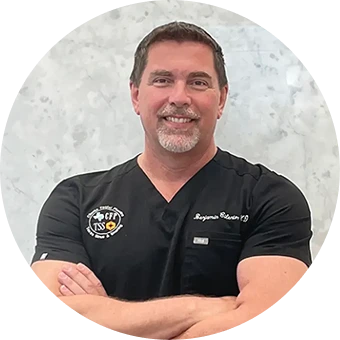
Dr. Ben cilento
Dr. Cilento is an award winning facial plastic surgeon in Houston, Texas. His reputation precedes him both professionally and from his patients. His work as both a facial plastic surgeon and sinus surgeon gives him a unique understanding of not just the form of the nose but also it’s function.
Face,

Facial Plastic Surgeon
