Yes, a botched nose job can usually be fixed. Revision rhinoplasty is surgery that corrects the shape, structure, and breathing of a nose that has already been operated on. Small irregularities can sometimes be softened without surgery. Larger problems with symmetry, support, or airflow are typically corrected through a carefully planned revision.
At Cilento Facial Plastics, Dr. Ben Cilento performs revision rhinoplasty for patients in the Spring area who are unhappy with how their nose looks or works after an earlier surgery. This guide, covers the most common problems after rhinoplasty, the options for correcting them, and what the revision process involves.
Rhinoplasty is one of the most detailed surgeries in facial plastic surgery. Small changes of a millimeter or two can shift the balance of the whole face. When the result does not match the patient’s goals, or when breathing gets worse, the problem usually falls into a few familiar categories.
Some swelling and unevenness are normal for months after any nose surgery. The tip in particular can stay swollen for a year or longer. Because of this, it is important to separate normal healing from a true problem. These signs suggest a result may need correction:
Your breathing is worse than before surgery. Ongoing stuffiness on one or both sides that does not improve after healing is a common reason patients seek revision.
The nose looks crooked or off center. A nose that bends to one side or looks uneven from the front often points to a structural issue.
The profile has an unwanted bump or dip. A new hump, a fullness above the tip, or a scooped bridge can all appear once swelling settles.
The tip looks pinched, droopy, or too round. The tip is hard to shape, and it can heal in ways that look unnatural.
The nostrils are uneven. One nostril may look larger, higher, or shaped differently than the other.
The nose no longer fits your face or heritage. Some patients feel their nose looks “operated on” or has lost features that matched their ethnic background.
The result is close to your goal but not quite there. Not every revision is about a major flaw. Many patients want a small refinement.
If any of these concerns remain after the first year of healing, they are worth having evaluated.
Most problems after rhinoplasty come from too much or too little change, or from tissues that heal differently than planned. Patients commonly describe these issues:
Over-reduction. When too much cartilage or bone is removed, the bridge can look scooped or sunken. This is sometimes called a saddle nose. Over-reduction can also weaken the support that keeps the nose open, which affects breathing.
Under-correction. Sometimes the original concern is still visible. A hump may remain on the bridge, or a wide tip may still look wide. These cases often need more refinement rather than a full rebuild.
Pollybeak deformity. This is a fullness just above the tip that makes the lower part of the nose curve outward, similar to a bird’s beak. It can come from scar tissue or from how the cartilage was shaped.
Pinched or collapsed tip. If the tip cartilage is weakened, the tip can look narrow, pinched, or uneven. It may also cause the nostrils to collapse inward when you breathe in.
Asymmetry. A nose that heals crooked, has uneven nostrils, or leans to one side can result from the septum, the nasal bones, or uneven healing.
Breathing problems. A deviated septum that was not addressed, or new narrowing inside the nose, can leave patients with chronic congestion. Function matters just as much as appearance, and many revision patients come to us mainly because they cannot breathe well.
Loss of natural character. Some patients feel their nose was made to fit a single standard look rather than their own face. This is a common concern for patients of African American, Hispanic, Middle Eastern, Asian, Persian, and Mestizo heritage, who often want refinement that keeps their identity intact.
The right fix depends on what went wrong, how severe it is, and whether breathing is affected. Some concerns can be improved without surgery. Others need a surgical revision to correct the structure underneath.
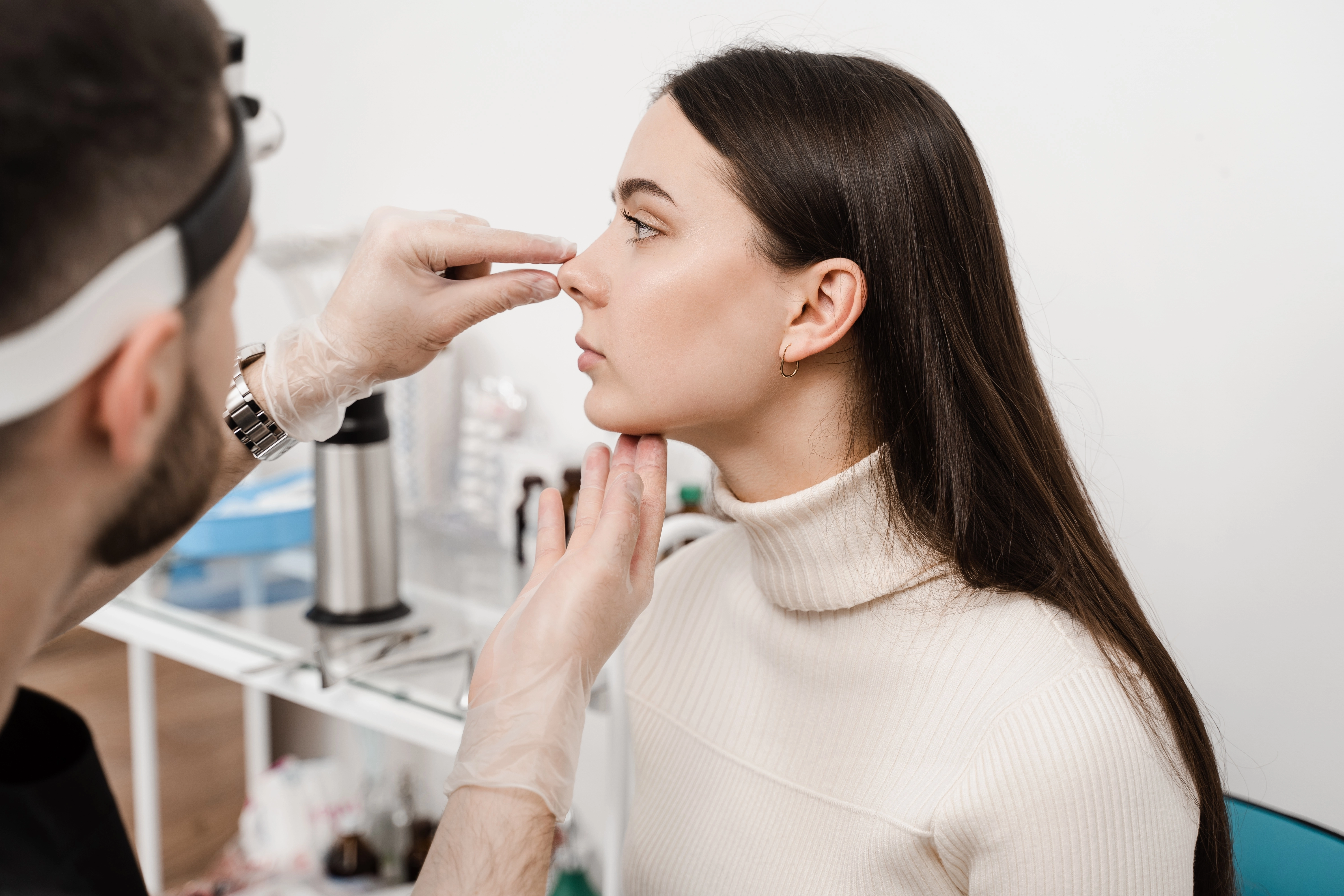
For certain minor cosmetic concerns, injectable dermal fillers can help. This approach is often called a liquid rhinoplasty, and it is one of the treatments we offer. Filler is placed in small amounts to smooth or camouflage irregularities.
A liquid rhinoplasty may help with:
Small dents or depressions along the bridge
Mild unevenness from side to side
Softening the look of a small bump by building up the areas around it
Minor contour irregularities that remain after healing
Non-surgical correction has clear limits. Filler can add volume, but it cannot remove tissue or make a nose smaller. It also cannot fix breathing problems, rebuild lost support, or straighten a crooked septum. Results are temporary, so treatment needs to be repeated over time.
For patients with small cosmetic concerns who are not ready for another surgery, a liquid rhinoplasty can be a reasonable option. Dr. Ben Cilento will review whether filler is suited to your specific concern or whether surgery is the more effective path.
When the problem involves structure, function, or a significant change in shape, surgery is usually needed. Surgical revision can range from a small adjustment to a complete rebuild of the nose.
Common surgical approaches include:
Minor refinement. Smoothing a small bump or adjusting one area of the tip. Our tip rhinoplasty work focuses on the lower part of the nose and may suit patients whose concern is limited to the tip.
Septoplasty. Straightening the wall between the nostrils to improve airflow. This is often combined with cosmetic revision when breathing is a concern.
Structural revision. Rebuilding support in a nose that was over-reduced or has collapsed. This may involve adding cartilage to restore strength and shape.
Full revision rhinoplasty. Addressing several concerns at once, both cosmetic and functional, in a single planned surgery.
Dr. Ben Cilento performs both open rhinoplasty and closed rhinoplasty. The approach for a revision is chosen based on what needs to be corrected and how much access is needed to the structures inside the nose.
Revision rhinoplasty is any nose surgery performed on a nose that has already had rhinoplasty. In general, the goal is to restore proper nasal function and correct one or more aspects of the nose’s appearance.
Revision is different from a first-time rhinoplasty in several ways. The tissues have already been changed, and scar tissue has formed. Some cartilage may have been removed, so less natural material is available to work with. The skin may also be thicker or less flexible after the first surgery.
Because of this, revision rhinoplasty takes careful planning. Dr. Ben Cilento evaluates the current structure of the nose, how it functions, and what the patient wants to change. The plan is built around both appearance and breathing, because the two are closely linked.
You may be a good candidate for revision rhinoplasty if:
You have trouble breathing through your nose after your first surgery
Your nose looks crooked, uneven, or out of balance with your face
The concern you had before your first surgery is still there
Your first surgery created a new problem, such as a scooped bridge or pinched tip
Your nose no longer looks natural or no longer reflects your heritage
You have fully healed and the result still does not meet your goals
Good candidates are also in good overall health and have realistic expectations. A revision can make a meaningful improvement, but it works with the tissue that remains from the first surgery. An honest conversation about what can and cannot change is an important part of planning.
Patients who have had more than one previous nose surgery may still be candidates. Each case is evaluated on its own.
Timing plays a large role in revision results. In most cases, revision is planned only after the nose has fully healed from the first surgery. This often means waiting about a year or longer.
There are good reasons to wait:
Swelling hides the final shape. The nose, and especially the tip, can stay swollen for many months. What looks like a problem at three months may improve on its own by twelve.
Tissues need to soften. Scar tissue is firmer early in healing. Waiting allows the tissues to become more flexible, which helps with the revision.
A clear picture leads to a clear plan. Once healing is complete, Dr. Ben Cilento can see exactly what needs to be corrected.
There are exceptions. Some functional problems that seriously affect breathing may be evaluated sooner. If you are unsure whether your concern is normal swelling or a lasting issue, an evaluation can help you understand where you are in the healing process.
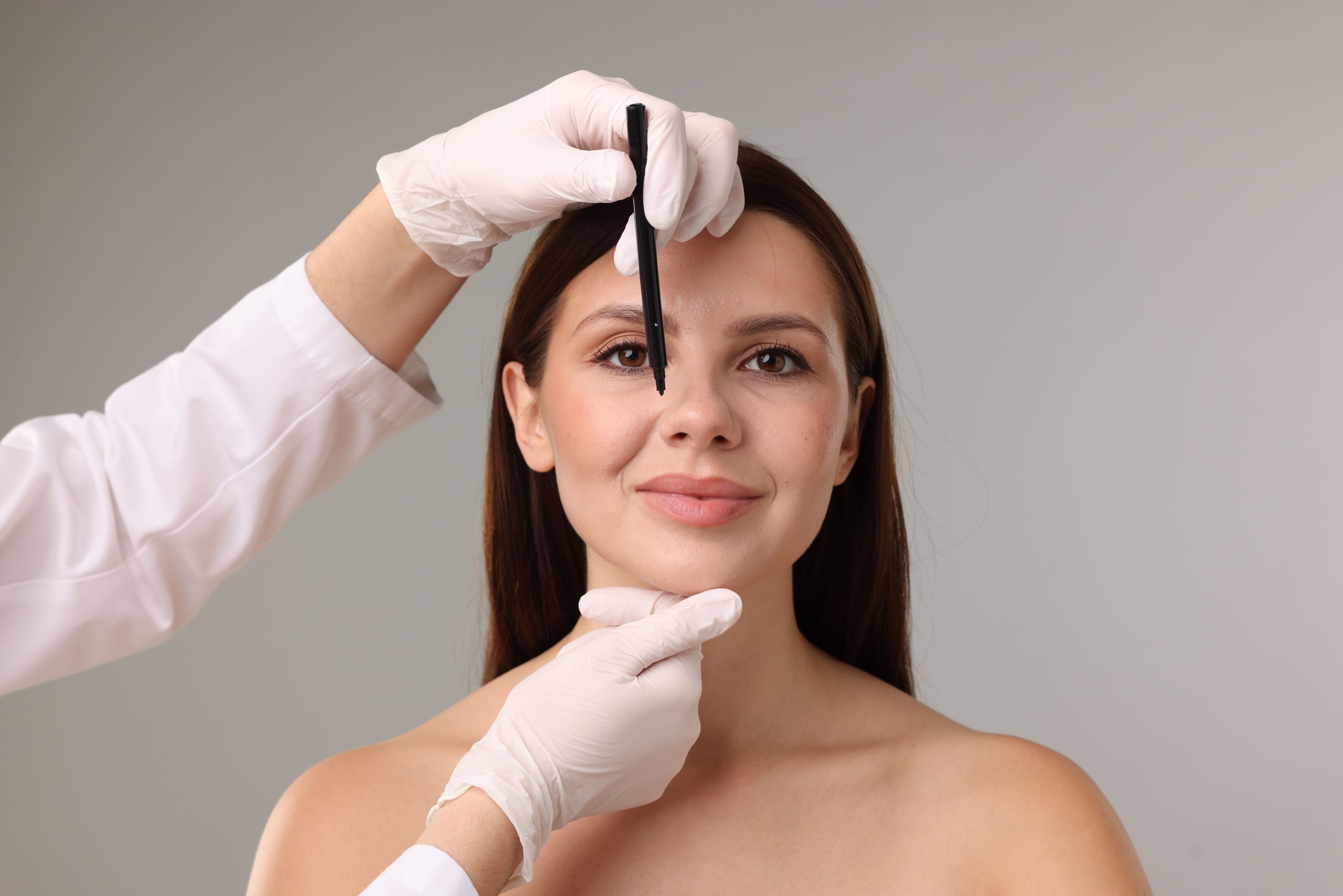
Every revision rhinoplasty begins with a detailed consultation. Dr. Ben Cilento examines the outside and inside of the nose, reviews your breathing, and listens to your concerns. Together, you set goals that are specific to your face, your anatomy, and what you want to improve.
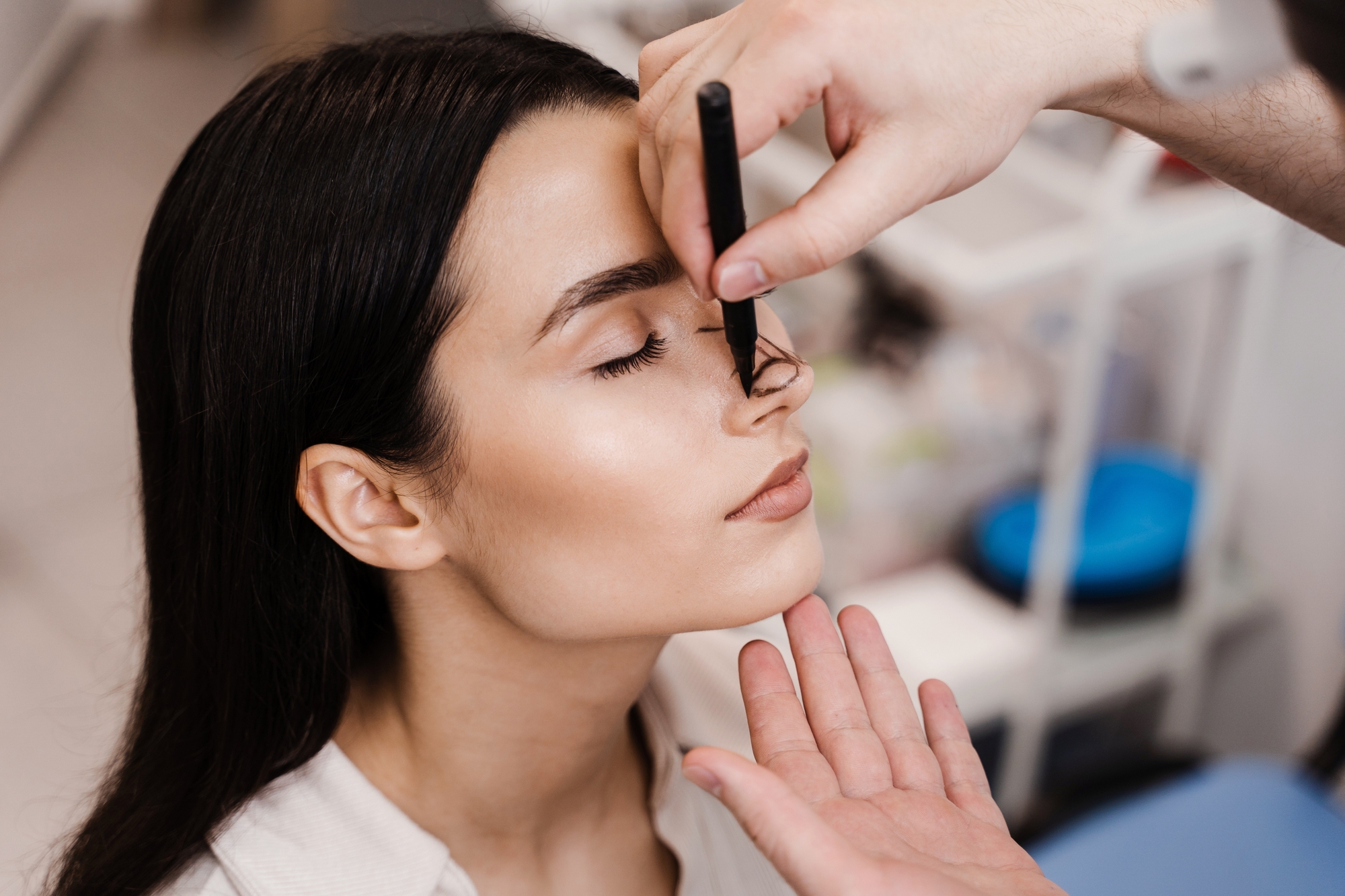
From there, a surgical plan is created. Revision often involves restoring structure that was lost or weakened. When the first surgery removed too much cartilage, support may need to be rebuilt so the nose holds its shape and stays open for breathing. When the concern is cosmetic, the plan focuses on refining the areas that look out of balance.
For patients with ethnic backgrounds, the plan also considers features that should be preserved. Our approach to ethnic rhinoplasty aims to refine the nose while keeping it in harmony with each patient’s natural features and heritage.
Revision rhinoplasty is typically an outpatient surgery, so most patients go home the same day.
Recovery from revision rhinoplasty is similar to recovery from a first rhinoplasty, though swelling may last longer. Scar tissue and previously treated skin often take more time to settle.
Here is a general picture of the recovery timeline:
First week. A splint is usually worn on the outside of the nose. Swelling and bruising are most noticeable during this time. Many patients rest at home.
One to two weeks. The splint is removed, and many patients return to work or school. Some swelling and bruising may still be visible.
Several weeks. Most bruising fades. Patients can usually return to normal daily activities, with a gradual return to exercise as directed.
Several months. The nose continues to refine as swelling decreases. The upper part of the nose usually settles first.
One year and beyond. The tip continues to refine, and the final result becomes clear. In revision cases, full results may take longer than a year.
Patience is important. It can be tempting to judge the result early, but the nose keeps changing for many months. Following post-operative instructions and attending follow-up visits helps the healing process stay on track.
Many patients notice improved breathing as the inside of the nose heals. Over time, the outside of the nose takes on a more balanced and natural shape.
The surgeon you choose for a revision matters even more than for a first rhinoplasty. Revision cases are more complex, and they call for a surgeon with focused experience in nasal surgery.
Here are qualities to look for:
A focus on rhinoplasty. Revision requires a deep understanding of nasal anatomy and how it changes after surgery. Rhinoplasty is a central part of our work. Dr. Ben Cilento performs primary, revision, male, teen, tip, open, closed, and ethnic rhinoplasty.
Attention to both form and function. A good revision plan considers how the nose looks and how it works. A surgeon who addresses breathing along with appearance can help prevent new problems.
Experience with diverse noses. Every face is different. A surgeon who works with patients of many backgrounds can tailor results to each person rather than applying one standard shape.
Honest communication. Your surgeon should explain what is realistic for your nose, not just what you want to hear. Clear expectations lead to greater satisfaction with the result.
Results you can review. Looking at before and after photos and reading patient testimonials can give you a sense of a surgeon’s work and how patients feel about their experience.
You can learn more about Dr. Ben Cilento’s background on our Dr. Cilento page.
An unhappy rhinoplasty result can be frustrating. Many patients feel disappointed after investing time and hope in their first surgery. Some hesitate to try again.
The good news is that most problems after rhinoplasty can be improved. Minor concerns may respond to non-surgical treatment. Structural and breathing issues can often be corrected with revision surgery. The key is a careful evaluation, a clear plan, and enough time for full healing before moving forward.
Revision rhinoplasty is about more than fixing a flaw. It is a chance to restore comfortable breathing and create a nose that looks natural and fits your face. With realistic expectations and the right approach, many patients reach the result they wanted from the start.
Answering “Can a Botched Nose Job Be Fixed? What to Know” starts with a clear yes. Fillers can soften small irregularities, while revision rhinoplasty corrects structural, cosmetic, and breathing problems. Waiting for full healing, setting realistic goals, and choosing a surgeon focused on rhinoplasty all support a strong outcome. Dr. Ben Cilento and our team help patients in the Spring area take the next step with a plan built around their own nose.