Most patients recover from a brow lift within about 2-3 weeks for daily activities and light routines, while final, refined results settle in around 6 months. During that time, swelling and bruising fade gradually, stitches or clips come out within the first 2 weeks, and you slowly return to work, exercise, and normal life.
At Cilento Facial Plastics, Dr. Ben Cilento provides a customized recovery plan to make your healing as smooth and comfortable as possible.
After your brow lift, your forehead and the area around your eyes will feel tight, swollen, and possibly numb. This is normal – the tightness comes from the tissues being gently lifted into a more youthful position. You may have a light dressing or bandage on your forehead.
Mild discomfort is common but manageable with prescribed medication. Bruising may spread down toward the eyelids and cheeks due to gravity, which can surprise some patients but is temporary. Our team provides detailed, procedure-specific instructions covering discomfort, incision care, activity restrictions, and follow-ups. Following them closely is the most important step you can take.
The full brow lift recovery typically lasts about 6 months from surgery to final results, but the most noticeable changes occur in the first few weeks. Here’s a quick overview:
First 24 hours: Rest and initial recovery
Days 2–3: Peak swelling and bruising
Days 4–6: Early healing begins
Week 1: Swelling starts to ease; stitches or clips may be removed
Weeks 2–3: Many patients return to work and light activities
Month 1: Near full recovery; light exercise resumes
Months 3–4: Residual swelling fades
Months 5–6: Almost full recovery
After month 6: Final, settled results
Everyone heals at their own pace. Age, skin type, overall health, and the specific technique used all influence how quickly you bounce back.
Your forehead will be bandaged to minimize swelling and support the healing tissues. Keep your head elevated – even while sleeping – using two or three pillows or a recliner. Apply cold compresses gently as directed, and avoid bending, lifting, or straining. Take prescribed medication exactly as instructed, stay hydrated, and arrange for someone to stay with you this first day.
Swelling and bruising usually peak around days two and three, with bruising traveling down to the eyelids and cheeks. This can look dramatic but is normal. Continue elevating your head and using cold compresses. Stick to soft foods if chewing is uncomfortable, and take short, gentle walks around the house to promote circulation while avoiding anything that raises your blood pressure.
By days four through six, the worst of the swelling begins to level off, and bruising may shift from deep purple toward yellow-green as your body clears it. Numbness or tingling around the incisions is normal. You’ll feel more like yourself but should still take it easy. Keep incisions clean and dry, and follow your surgeon’s guidance on gently washing your hair.
At the one-week mark, you’ll have a follow-up with Dr. Ben Cilento to check your progress. Non-dissolving sutures or surgical clips are often removed at this time – a satisfying milestone. Your forehead may still feel tight or numb with some residual puffiness. Continue avoiding strenuous activity, bending, and heavy lifting. If you wear glasses, ask when it’s safe to rest them on your nose.
Most patients return to desk jobs and light social activities during this period, especially if their work isn’t physically demanding. Remaining bruising can usually be concealed with light makeup. Mild swelling may linger in the morning but improves daily as your new brow position looks more natural. Keep avoiding heavy lifting and intense exercise; gentle walking is encouraged.
By the end of the first month, most patients feel close to fully recovered, with any lingering swelling subtle and often only noticeable to you. With Dr. Ben Cilento’s approval, you can ease back into light exercise and gradually build to more intense workouts. Incisions continue to heal and fade, and numbness continues to improve. Always check before resuming high-impact activities.
Between months three and four, any remaining deep swelling continues to fade, and your forehead feels softer and more natural. Incision lines, carefully placed to be concealed by the hairline, continue to soften. Sensation around the incisions continues returning, though intermittent numbness or tingling may persist. Your brow position is now very close to final.
By months five and six, swelling is essentially gone, and scars continue to mature and fade. The tissues have settled, your brow position is stable, and the smoother lines and lifted brows look natural. Most patients feel completely comfortable and confident in their appearance.
After six months, healing is considered complete. Swelling has resolved, incision lines have matured, and sensation in the forehead and scalp should be back to normal. You’ll enjoy smoother forehead lines, raised eyebrows, and a more alert and energetic look. With good skin care and sun protection, these long-lasting results can be maintained for years.
Dr. Ben Cilento customizes each brow lift to the patient’s unique anatomy and goals. The surgical technique – most commonly endoscopic or coronal – will influence your recovery experience.
Yes. An endoscopic brow lift is a less invasive technique using several small incisions hidden within the hairline, through which a tiny camera (endoscope) and specialized instruments adjust the tissues.
The coronal (or “traditional”) brow lift uses a single, longer incision from ear to ear across the top of the head, hidden within the hair. While it allows for more significant correction, recovery is typically longer. It remains a reliable option for the right candidate.
After an endoscopic brow lift, recovery often feels gentler in the early days:
First few days: Milder swelling and bruising thanks to smaller incisions
Week 1: Small incisions heal quickly; sutures or fixation removed as needed
Weeks 2–3: Return to non-strenuous work in as little as 7–10 days
Month 1: Near full recovery with light exercise resumed
Months 3–6: Residual swelling fades, and final results settle
Even with a smoother early phase, final results still take several months. During your consultation, Dr. Ben Cilento will determine the most effective technique for your goals and explain the associated recovery process.
Your actions during healing directly impact your final outcome:
Elevate your head. Sleep propped on two or three pillows for the first couple of weeks to minimize swelling.
Use cold compresses. Apply cold compresses or crushed ice in a baggie to your forehead and eye area as directed for the first 48 hours.
Rest fully in the early days. Give your body the downtime it needs to heal.
Avoid strenuous activity. Hold off on bending, heavy lifting, and vigorous exercise until cleared by Dr. Ben Cilento.
Protect your incisions. Keep them clean, dry, and shielded from direct sun for at least six months to prevent darkening.
Stay hydrated and eat well. Nutritious food and water support healing.
Attend all follow-ups. These visits are essential for monitoring your progress.
Be patient. Healing is gradual – allow your body the time it needs.
Brow lift recovery unfolds gradually, with the most visible healing in the first two to three weeks and final results settling around six months. Expect peak swelling in the first few days, a return to work and light activities by weeks two to three, and light exercise around the one-month mark. Endoscopic techniques often mean a gentler early recovery, but patience matters no matter which approach you choose.
The final result – a smoother forehead and naturally elevated brow position that makes you look more rested and youthful – is well worth the wait. By following the personalized care plan from Dr. Ben Cilento, you can navigate your recovery with confidence.
Have questions? Call our Spring, TX, office at (346) 413-9313
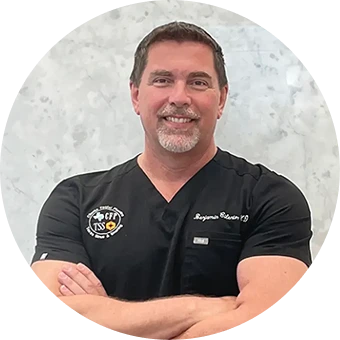
About the Author
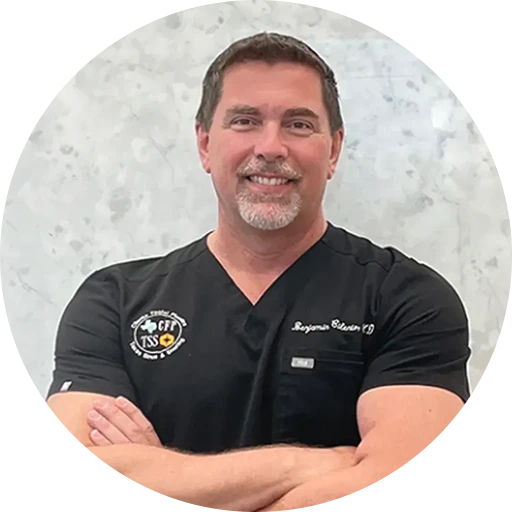
Dr. Ben cilento